Hello viewers. This is the story of Coimbatore and Kongu Nadu, told in pictures and words. Every illustration below is a still from the film, and the words under each one are the narration that plays over it. Read from top to bottom, one chapter at a time.
Watch the film on YouTube
All images are AI-generated illustrations, not photographs.
Film time 0:00
The Palakkad Gap
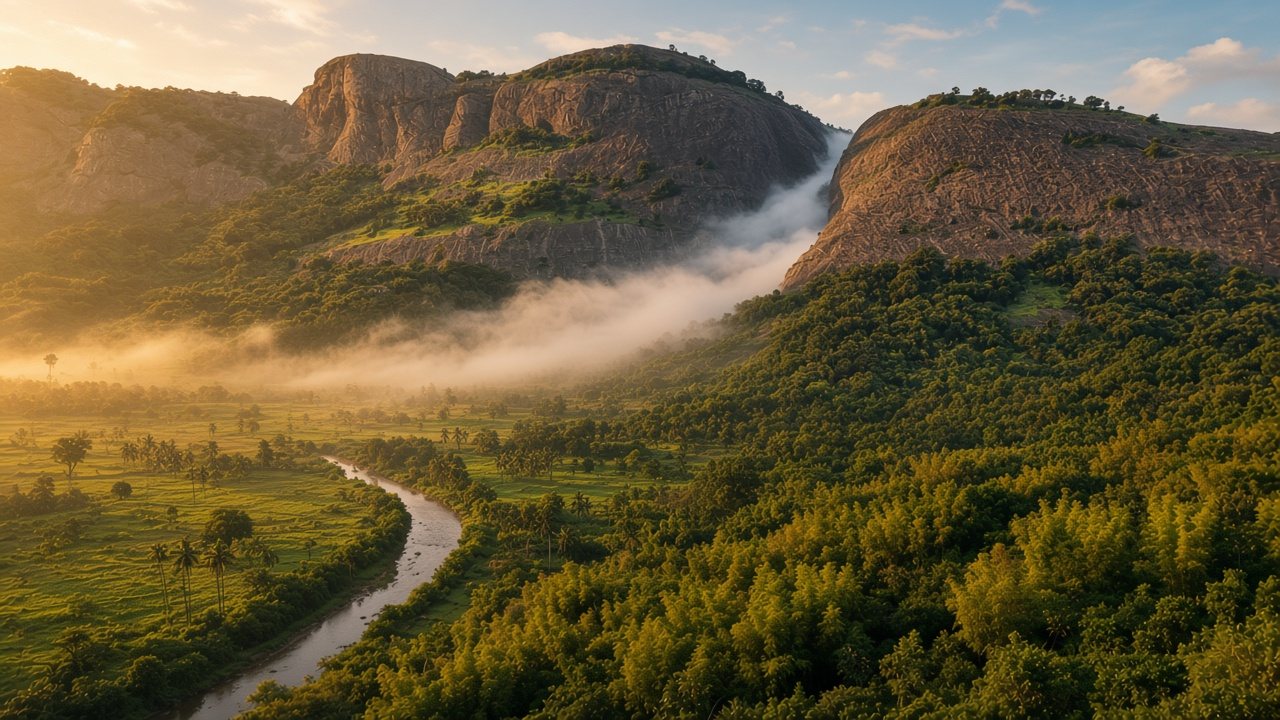
Hello viewers. Picture a break in a great wall of mountains. At dawn, mist spills through the Palakkad Gap, the only low pass in the Western Ghats for hundreds of kilometres.
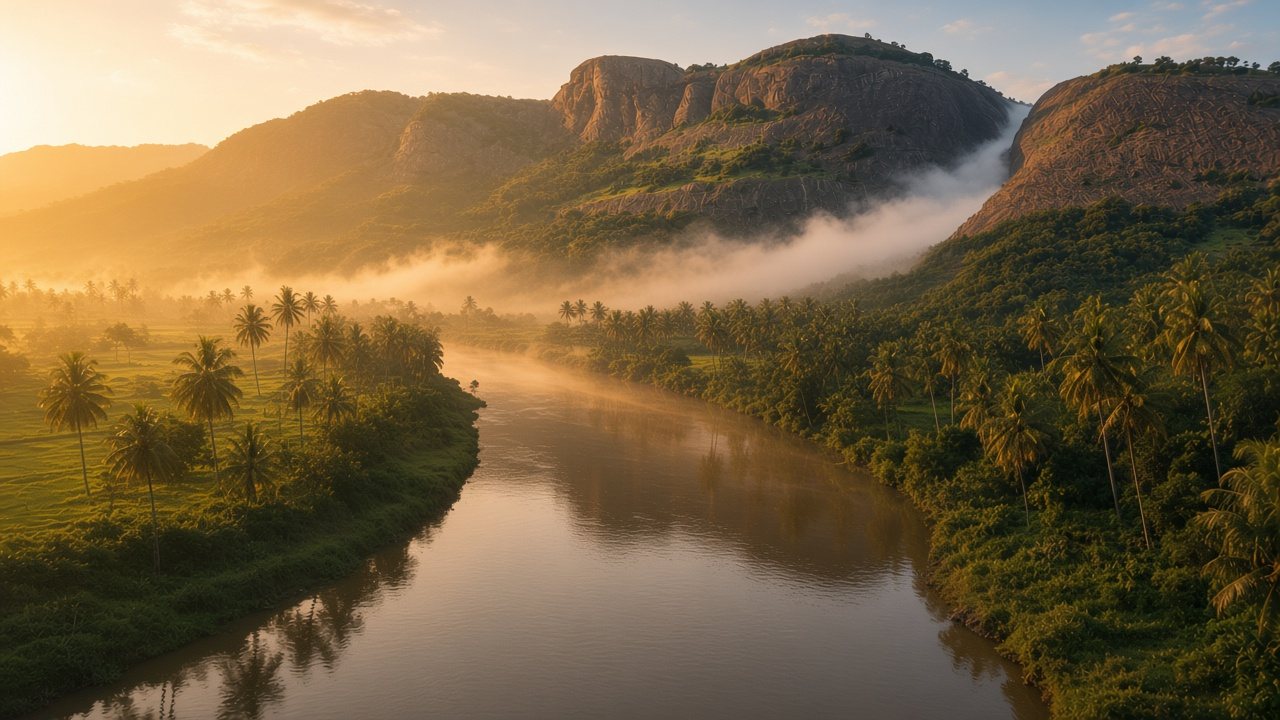
A brown river, the Noyyal, slides east toward the plains.

Teak and bamboo darken the slopes.
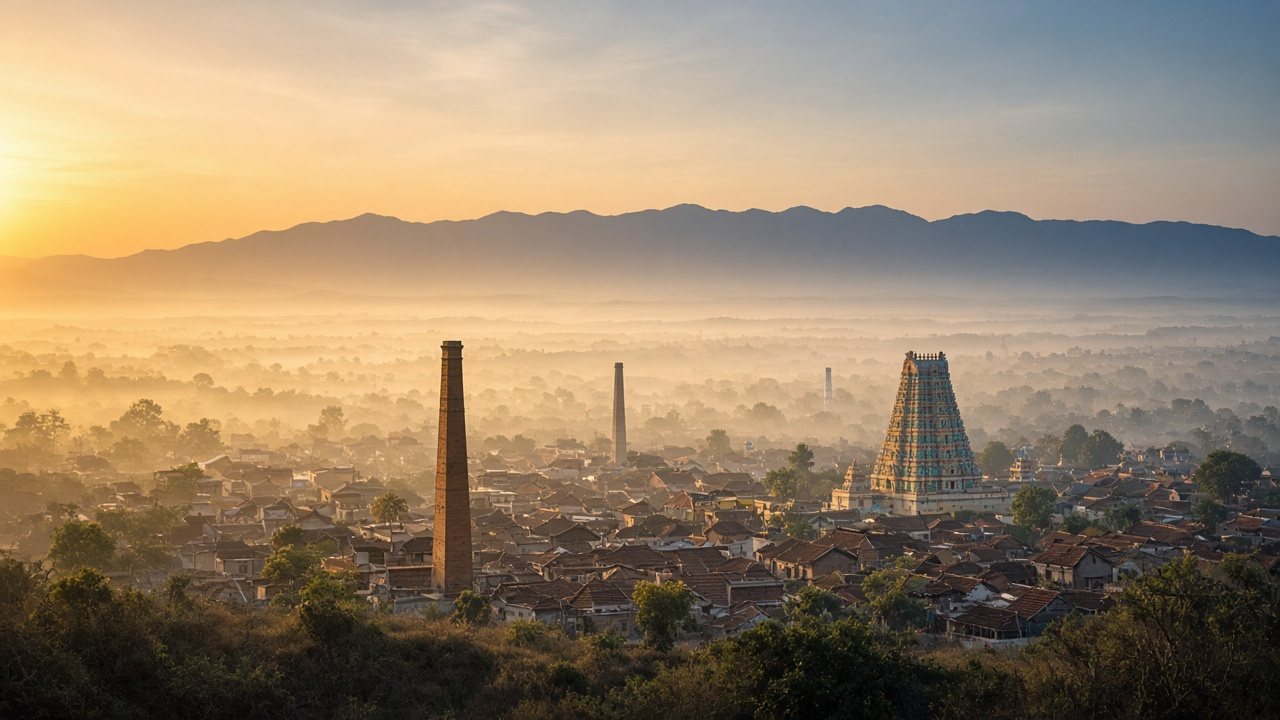
Far below, a city is just waking, chimneys and temple towers sharing the same gold light. Nothing here looks hurried, and yet this pass has decided the fate of kingdoms. For two thousand years this gap has been a doorway. Traders, kings and armies walked through it. Cotton grew in the black soil beyond it. And on this threshold, between mountain and plain, a city learned how to weave, invent and endure. This is the story of Coimbatore. The story of Kongu Nadu. A story of mills and mountains, told the way it deserves to be told.
Film time 0:56
Kongu Nadu
Long before the mills, this land was Kongu Nadu, one of the old countries of Tamilakam. Sangam poems remember it as a region of hill and forest, of cattle and iron. Among the early people were the Kosars, warriors mentioned in the epic Silappathikaram. Tradition says they once kept their headquarters at a place called Kosampathur, a name some believe grew into the city we know.
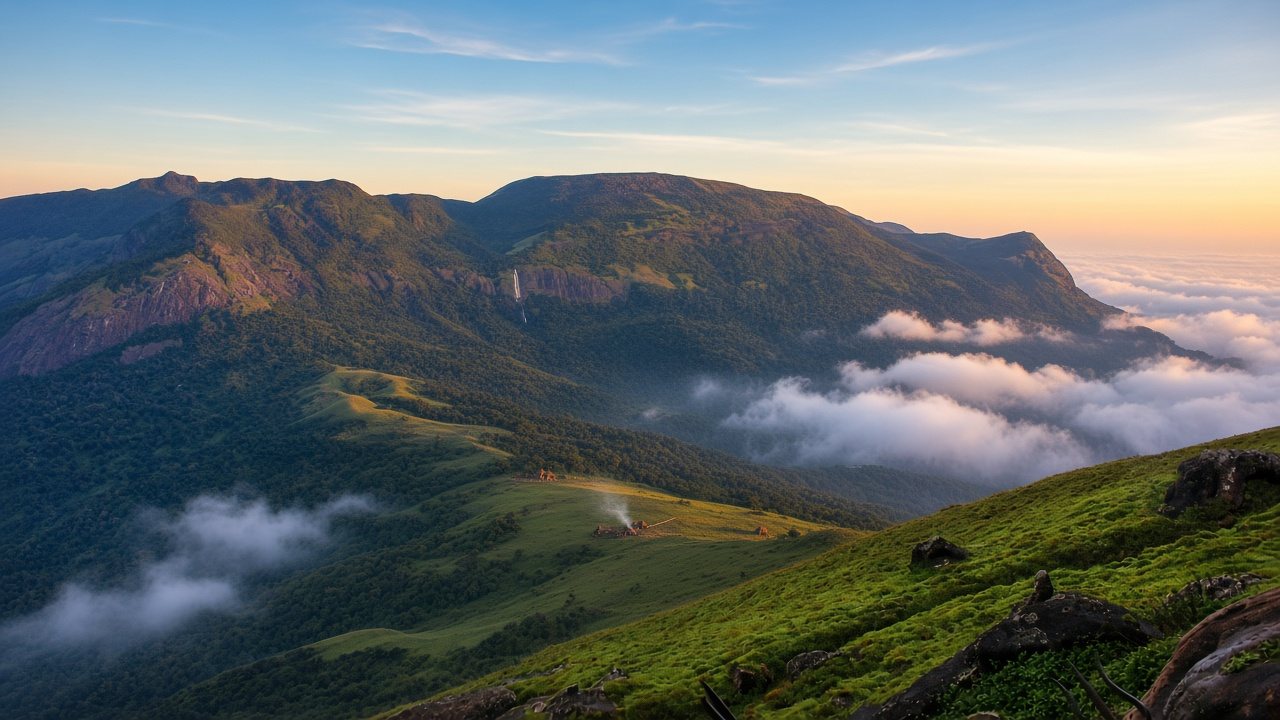
In the forests of the Ghats lived the Irula people, who still call these hills home.
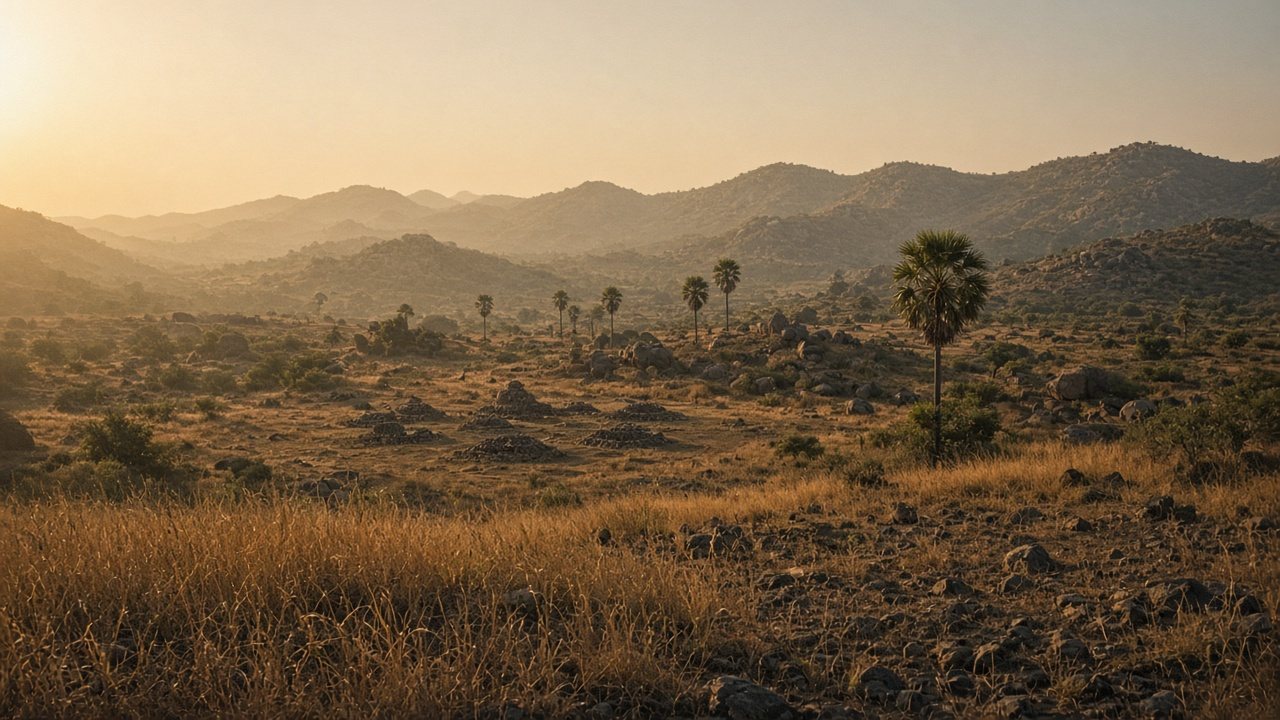
Archaeologists have found urn burials and Iron Age graves around Pollachi and Chettipalayam, proof of settled life long before any stone temple rose on the Noyyal.
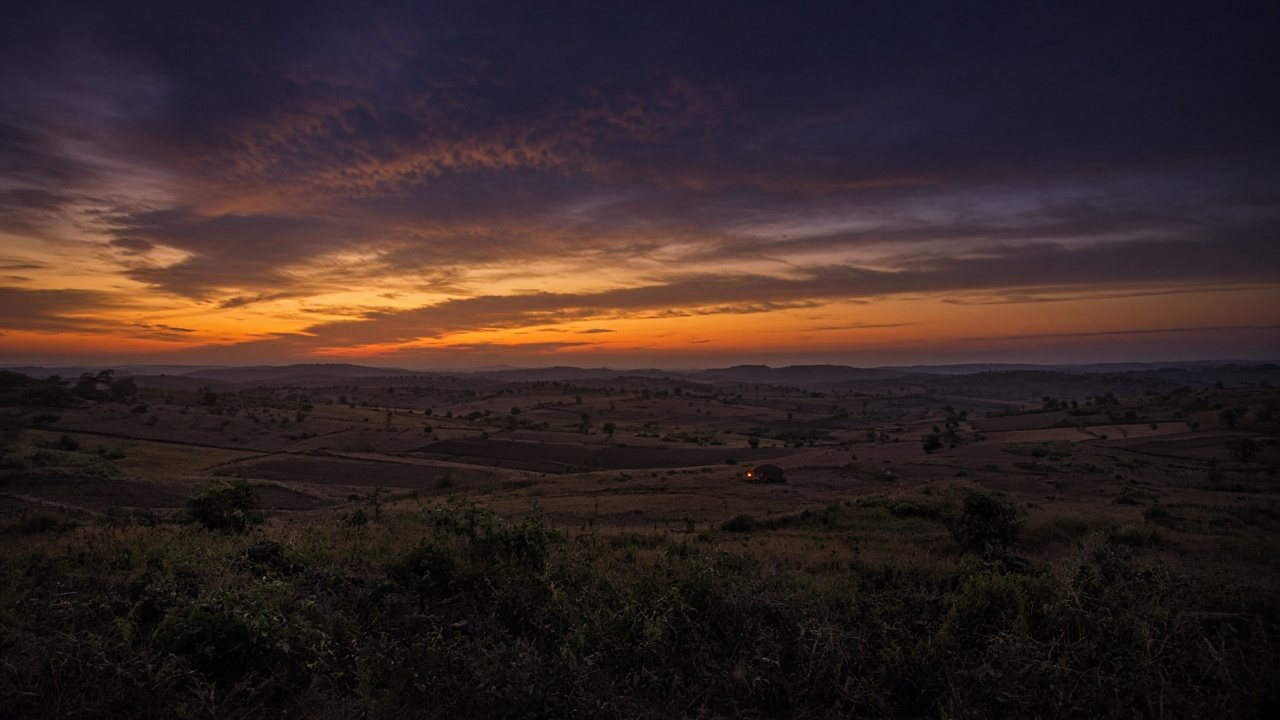
This was never an empty frontier. It was already a lived in country, watching the pass, and waiting for the world to walk through it.
Film time 1:38
Roman Trade on the Noyyal
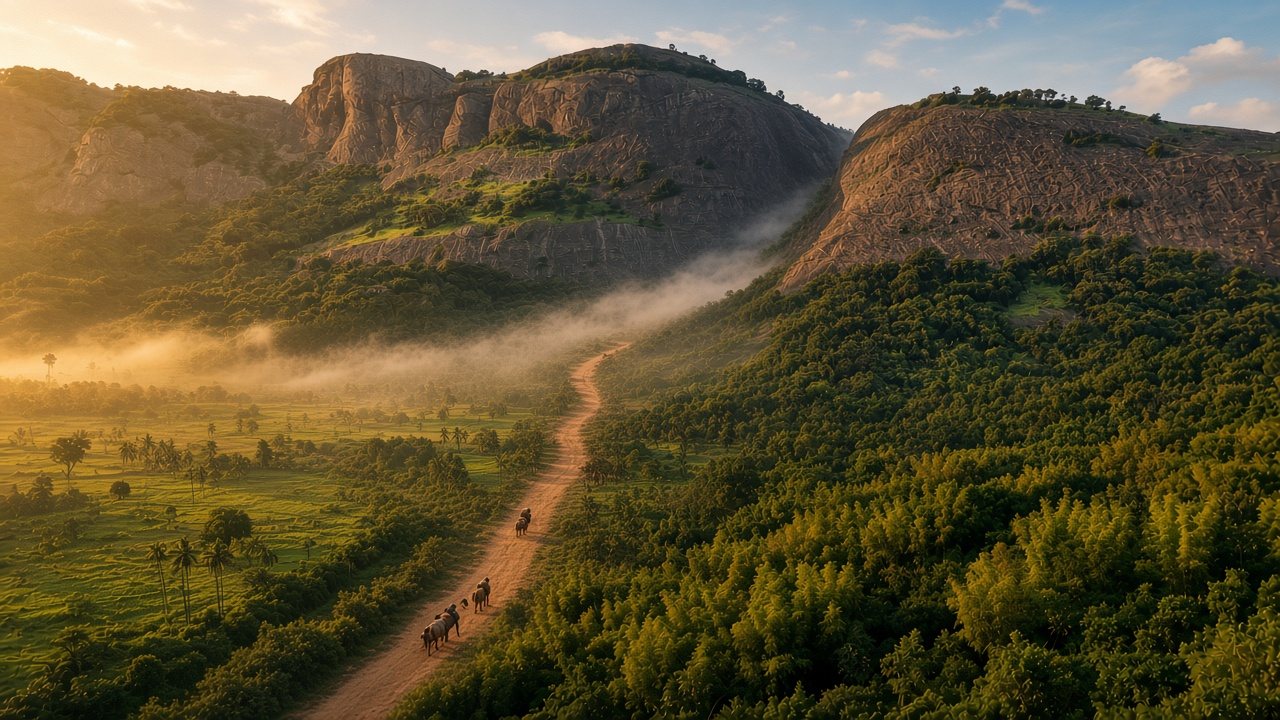
Then came the merchants of the Roman world. The Palakkad Gap was the land bridge between the great western port of Muziris and the markets of the Tamil east. Along the Noyyal, industrial villages sprang up.
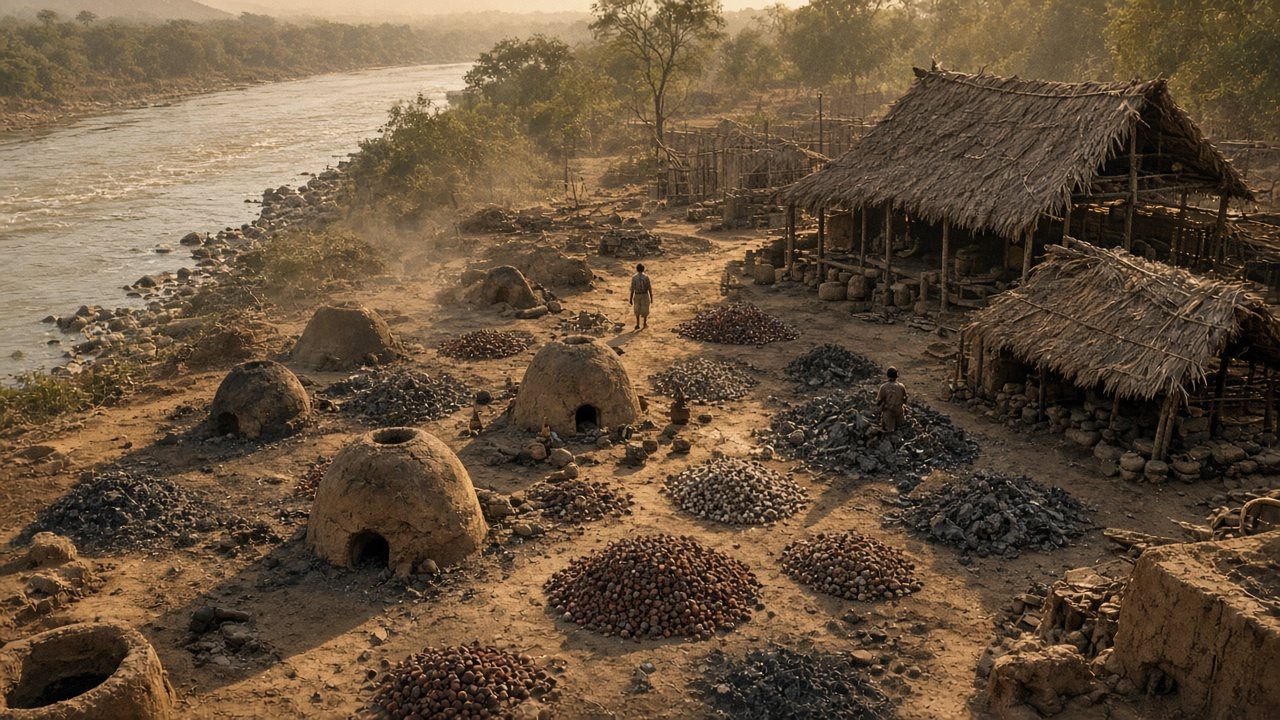
At Kodumanal, now in neighbouring Erode district, craftsmen cut beads of carnelian, agate and sapphire, and smelted iron and the famed Indian steel that Roman writers called ferrum indicum.
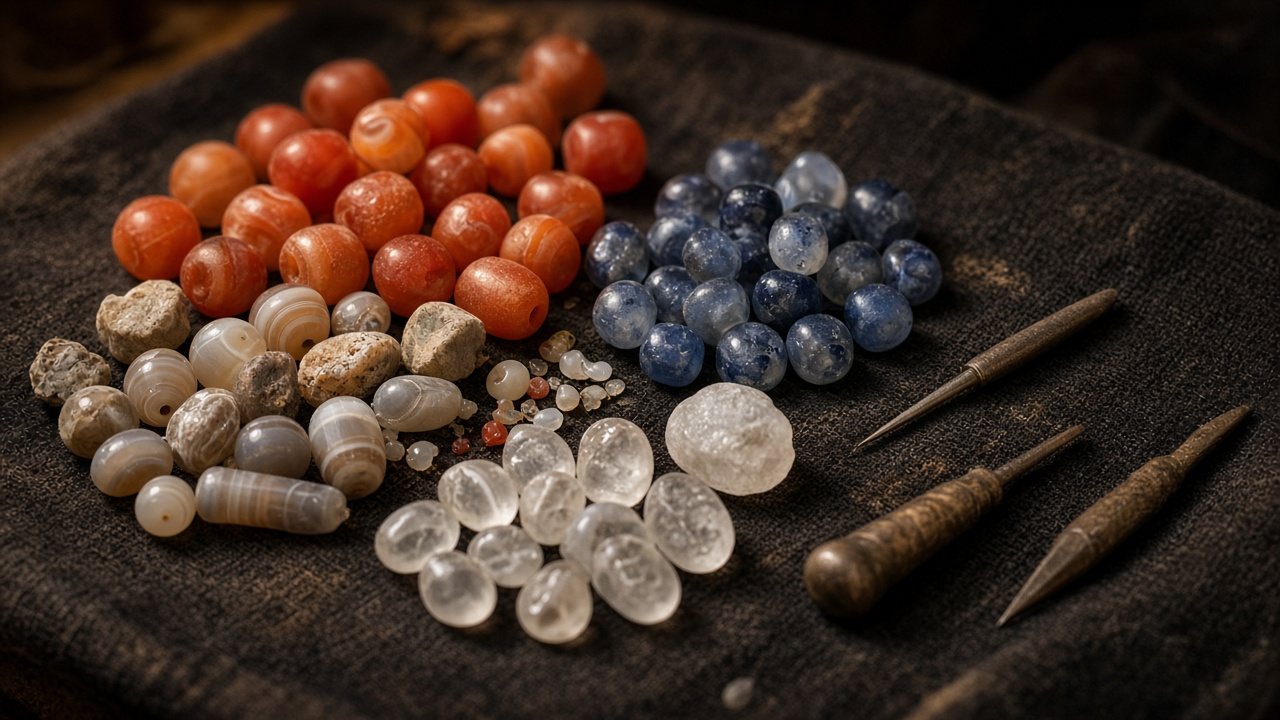
Poets of the Pathitrupathu praised Kodumanam as a place where rare jewels were made. Greek and Latin writers of the first centuries spoke of beryl and quartz from this country, stones that travelled from these riverbeds all the way to the Mediterranean.
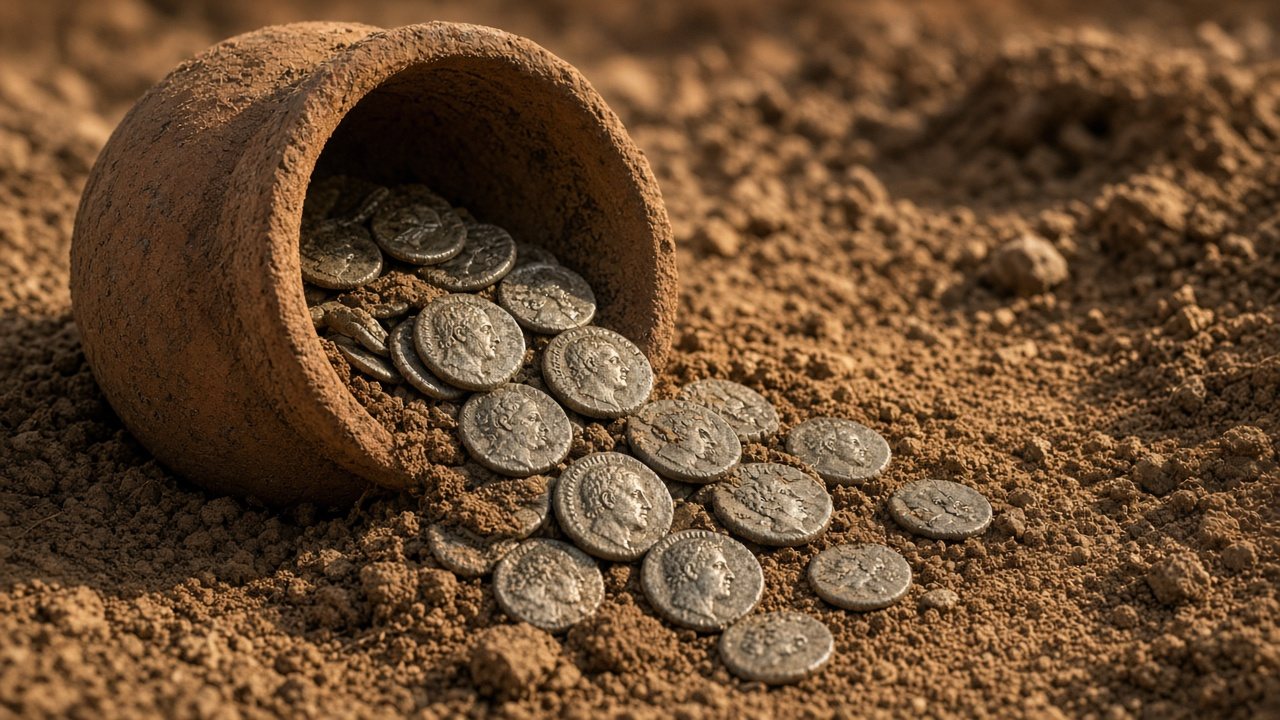
And the money of empire still turns up in these fields. At Vellalur, just south of Coimbatore, an earthen pot of more than five hundred Roman silver denarii was unearthed in the 1840s. Other hoards, of Augustus and Tiberius, have been found at Pollachi and Kattankanni. The coins are proof. This quiet river valley once sat on one of the great trade routes of the ancient world.
Film time 2:34
Perur and the Kongu Cholas
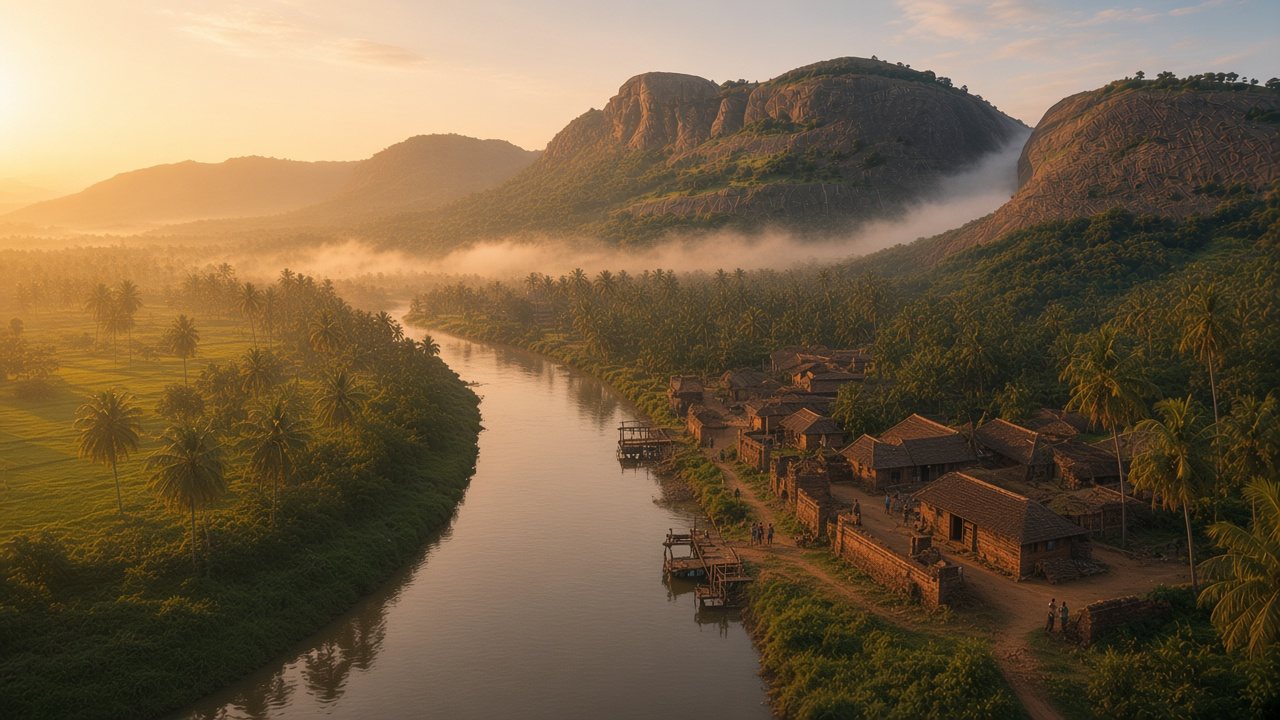
Power followed the trade. The Cheras, with their capital at Karur, held Kongu in the early centuries. Later came the Pandyas, the Rashtrakutas, the imperial Cholas, and a remarkable local line, the Kongu Cholas, who for three centuries, from about the ninth to the thirteenth, ruled both north and south Kongu and filled the country with temples.
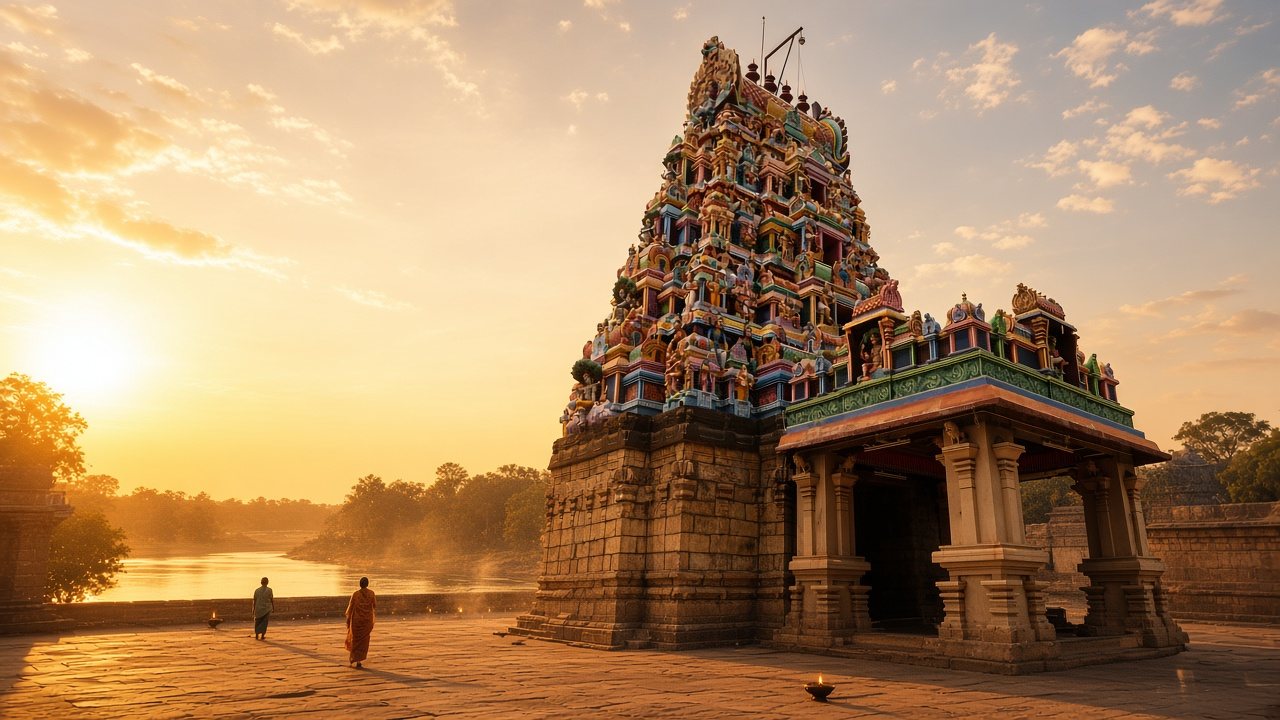
On the banks of the Noyyal at Perur stands the Pateeswarar Temple, dedicated to Shiva. Tradition says the early Chola king Karikala raised its first sanctum.
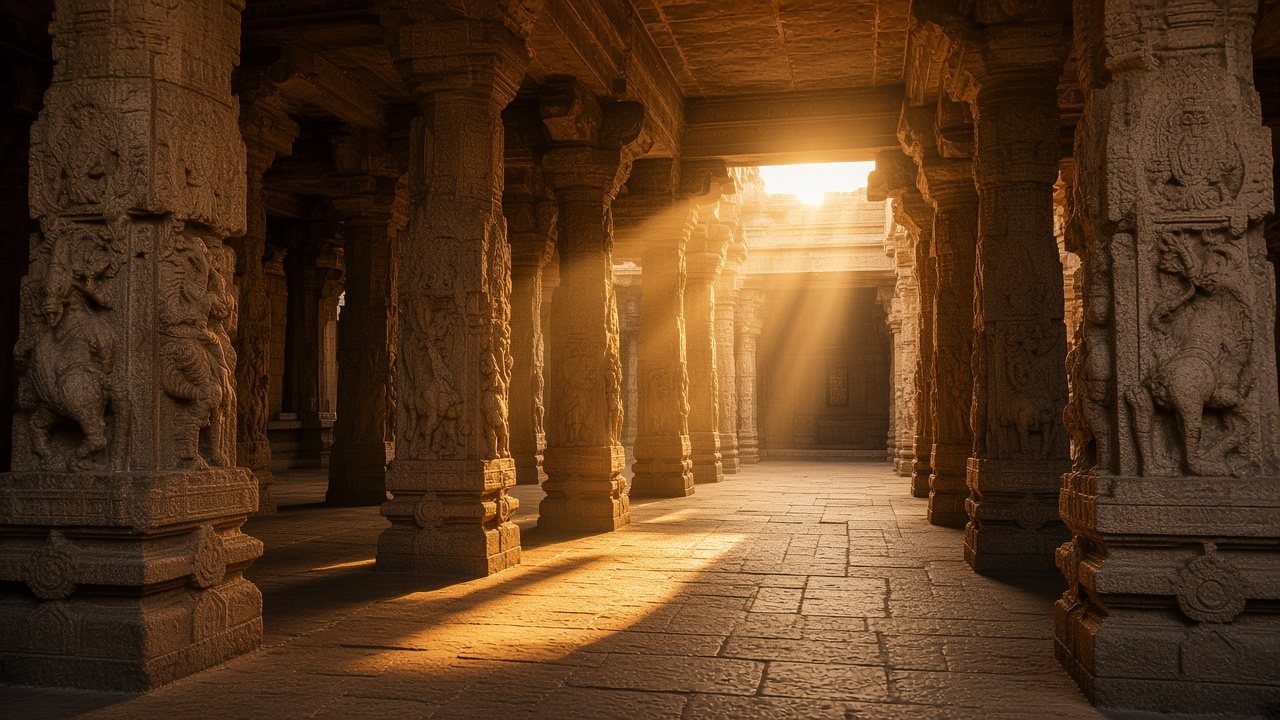
What we can see, carved in stone, are the gifts of later centuries: Kongu Chola halls, inscriptions, and a famous golden dance hall, the Kanaka Sabhai, built in the seventeenth century by a Nayak of Madurai. The poet saint Sundarar sang of this shrine more than a thousand years ago. It is still the spiritual heart of old Kovai.
Film time 3:24
The Name of Kovai
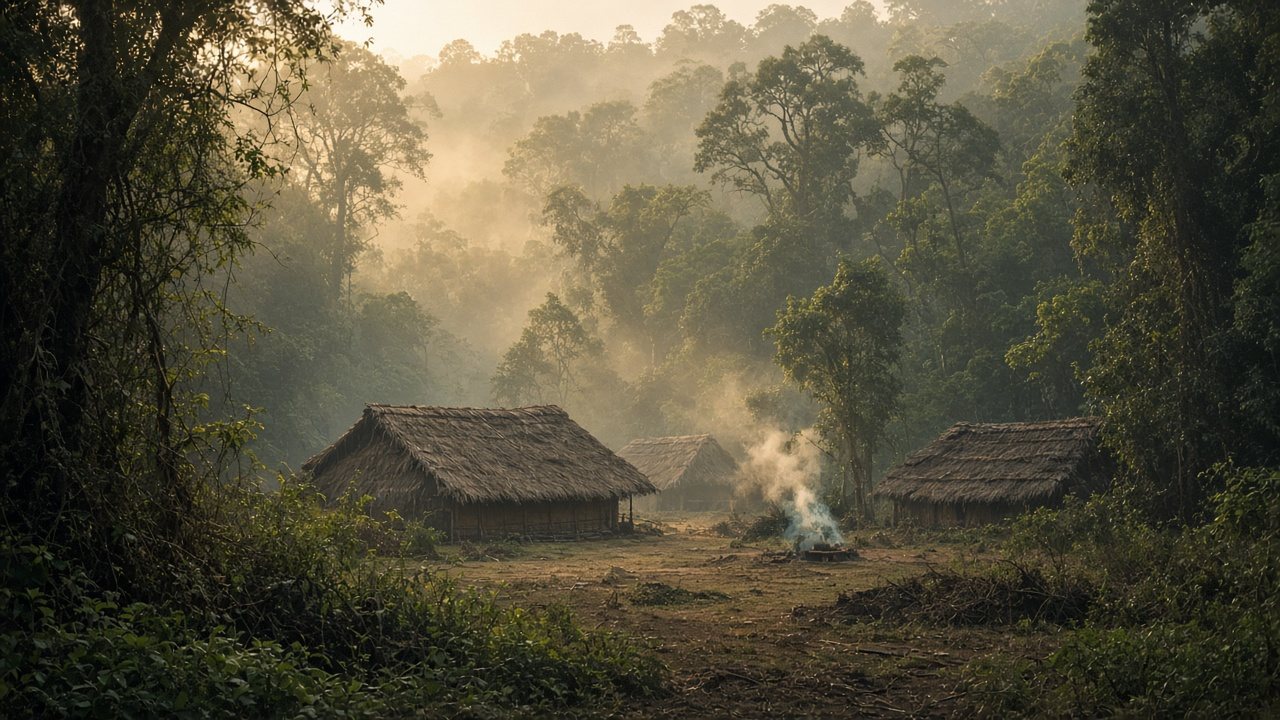
And the name itself? Legend has more than one answer. One story tells of Kovan, or Koyan, an Irula chieftain who cleared forest and made a new town, Kovanputtur, the new settlement of Kovan.
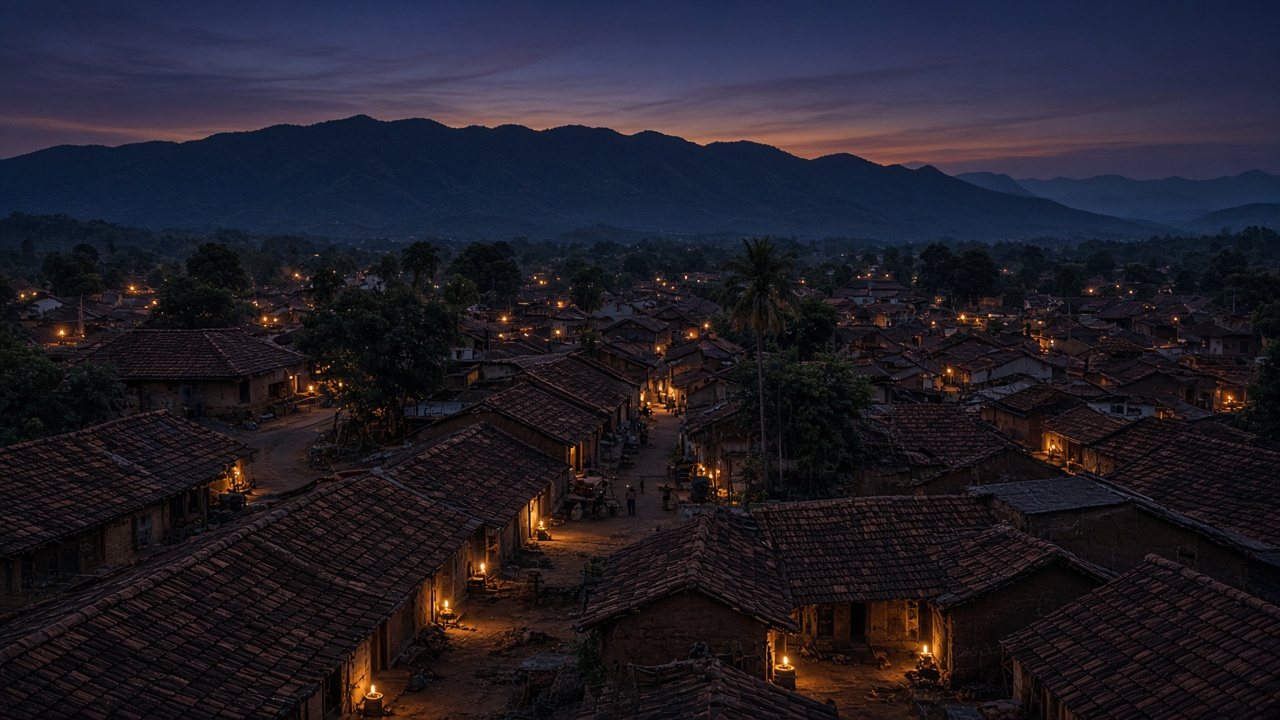
The form Kovan Pudur appears in inscriptions from the twelfth century, and linguists have traced the modern Tamil name Koyamputtur to that root, later anglicised as Coimbatore.
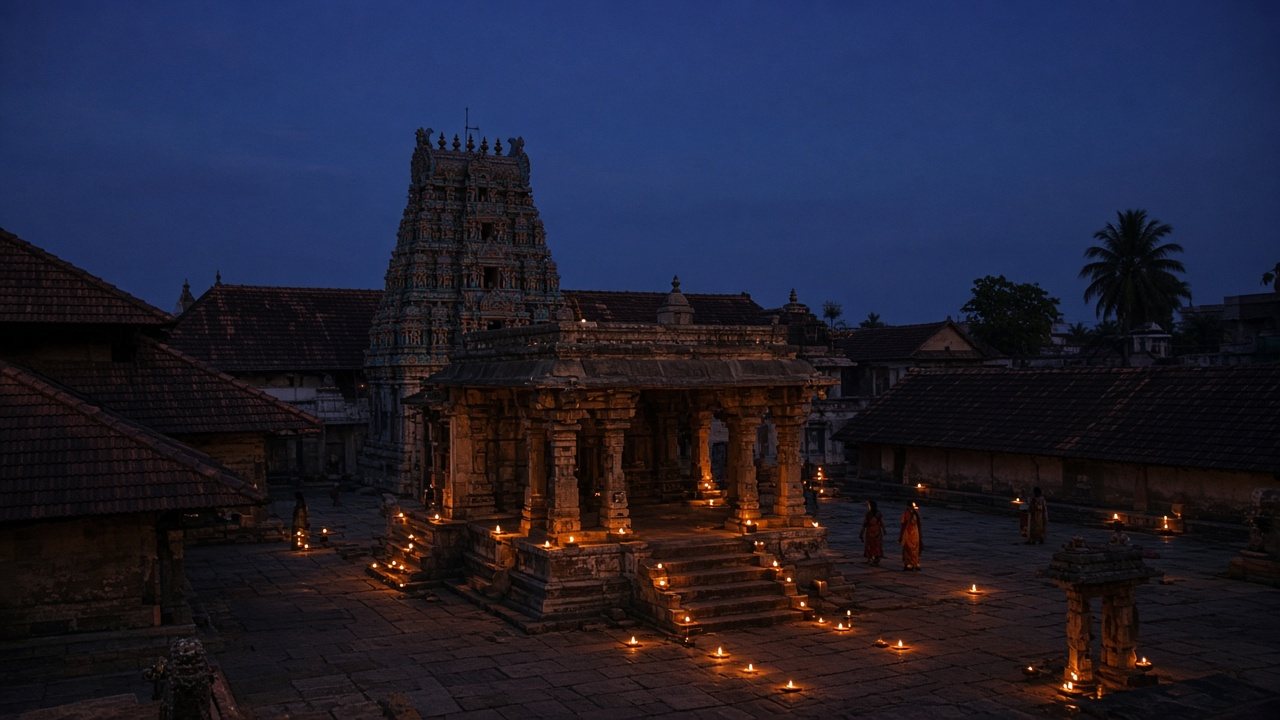
Another tradition says Koyan worshipped a goddess, Koyanamma, whose name became Koniamman, still honoured in the city's oldest temple. Historians debate the details, and the dates range widely. What is certain is this. The people of Kovai have always known they live in a new town built on very old ground, under the gaze of a goddess and the shadow of the hills.
Film time 4:10
Vijayanagara and the Nayaks
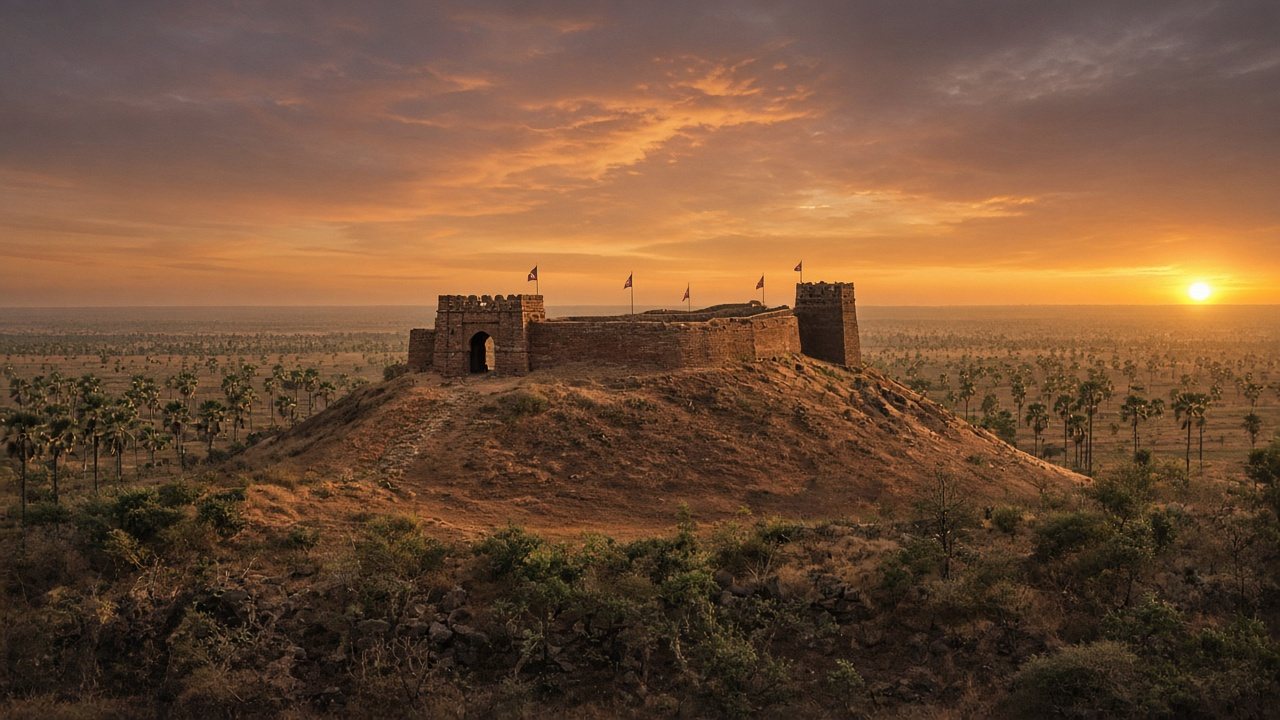
In the fourteenth century the map changed again. After the short lived Madurai Sultanate, the Vijayanagara empire took Kongu around 1377.
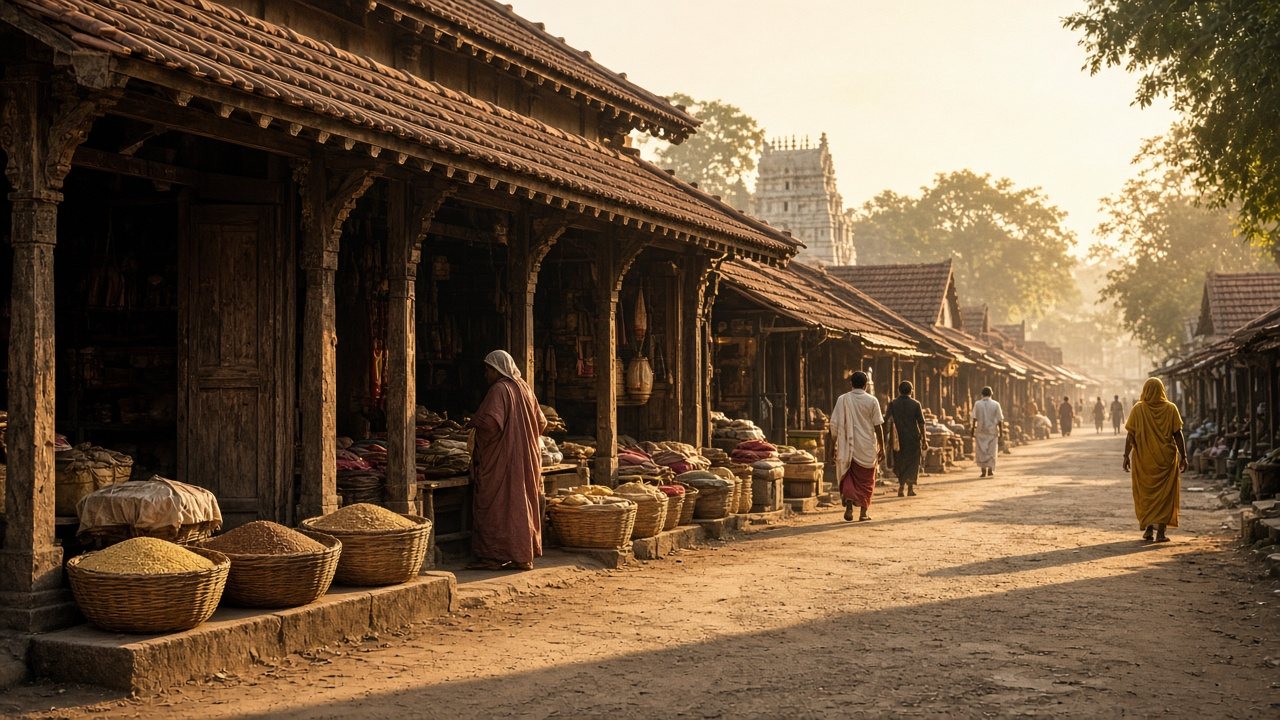
Telugu speaking settlers arrived, and their descendants are still part of the city's fabric. When Vijayanagara waned, the Madurai Nayaks, once its governors, ruled in their own right. They divided Kongu into twenty four palayams, little chiefdoms, each under a palayakkarar, a local chief who collected revenue and kept a body of men. Temples received new endowments. Telugu and Tamil worlds met in the same streets. It was a system of local power that would, in time, both serve and resist the next empire to arrive.
Film time 4:48
The Anglo-Mysore Wars
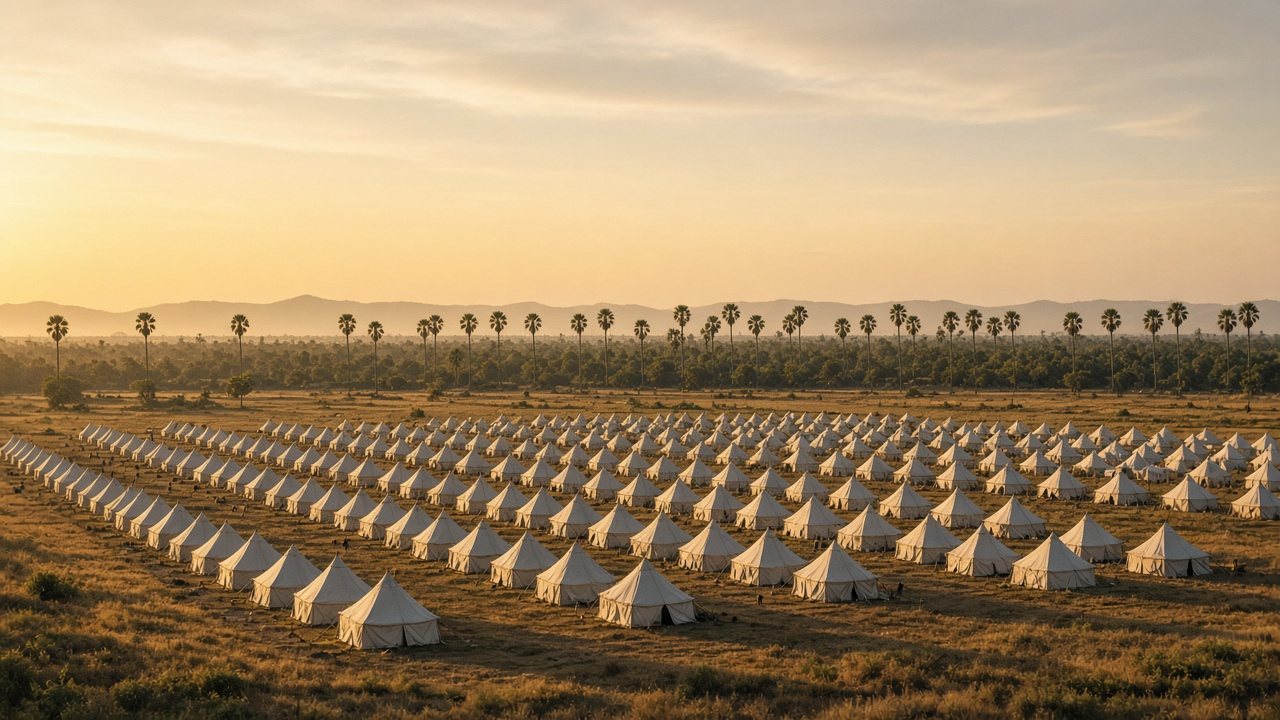
That empire came from the north west. In the later eighteenth century, Mysore under Hyder Ali and his son Tipu Sultan seized Kongu. Coimbatore became a prize in the Anglo Mysore Wars, a key to the gap and to the Tamil plains beyond.
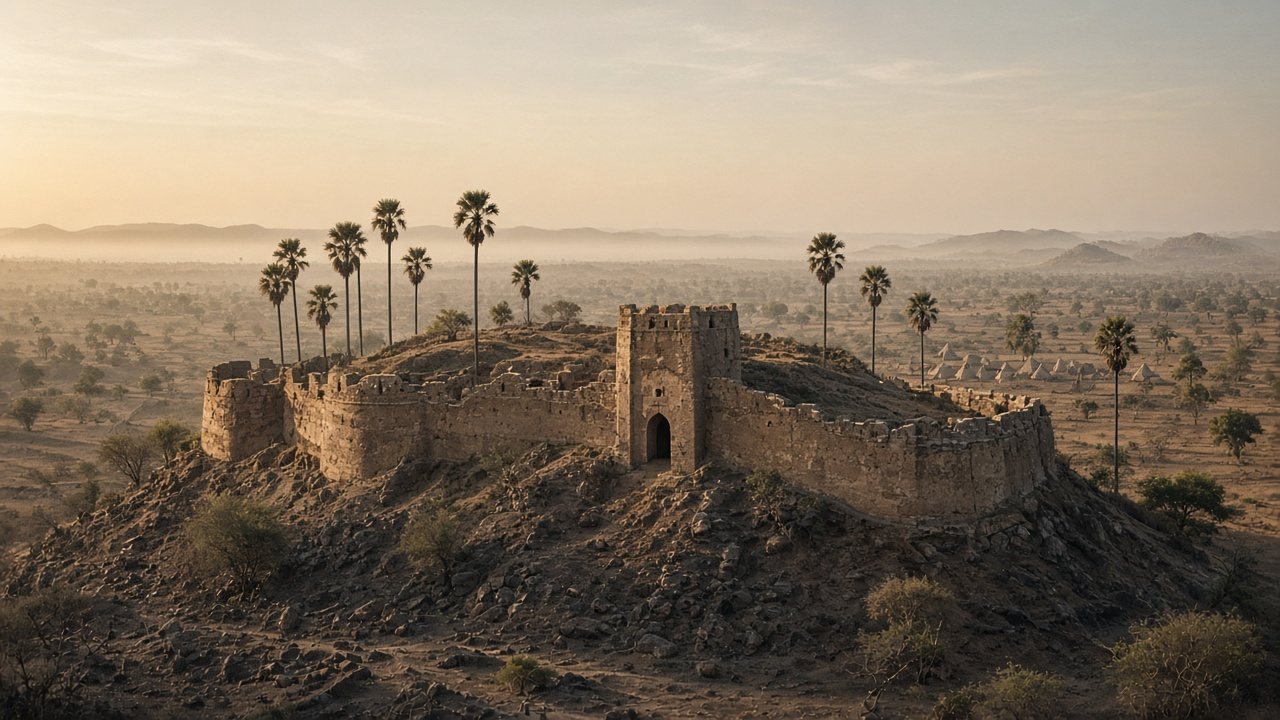
The British took the town in 1768, then lost it. Colonel Fullarton seized it again in 1783, only to hand it back under a treaty.
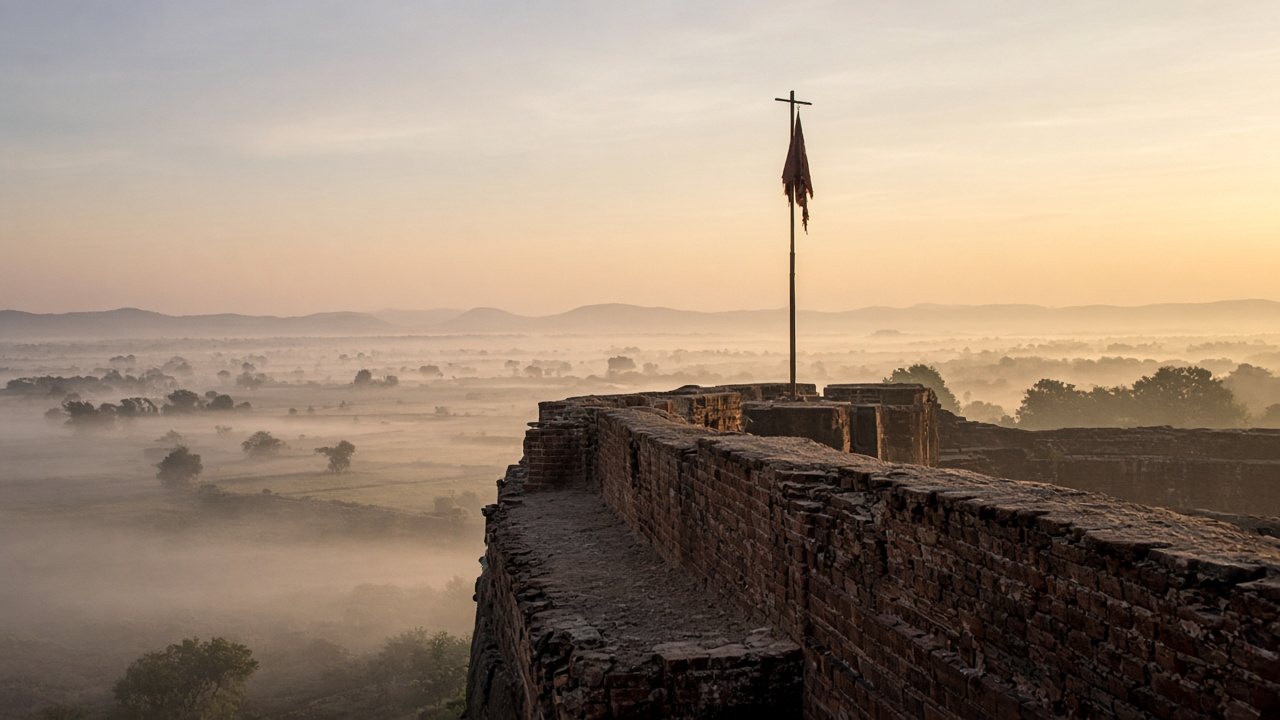
In 1791 Tipu's armies besieged the British garrison twice. On the second attempt the old fort at Kottaimedu surrendered, and its officers were taken to Seringapatam. After Tipu's death in 1799, the restored Maharaja of Mysore ceded the Kongu country to the East India Company. The British flag was up. But the hills were not quiet.
Film time 5:31
District, Famine and Earthquake
Kongu chieftain Dheeran Chinnamalai had first resisted Mysore taxes, then fought the Company. In the Polygar wars around 1800 and 1801, Coimbatore was a theatre of that struggle.
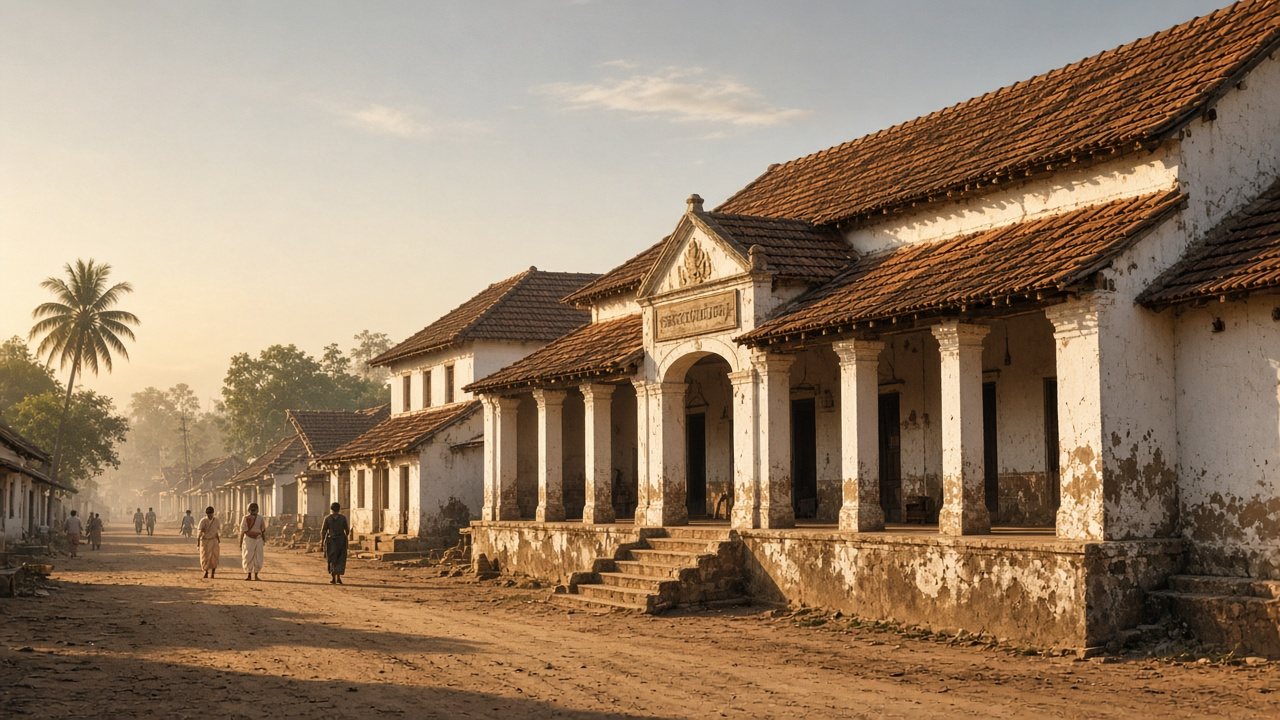
On the twenty fourth of November 1804, the Company made Coimbatore the headquarters of a new district, a vast territory that once stretched toward the Nilgiris, Erode, Palakkad and even into country that is now part of Kerala and Karnataka. A municipality followed in 1866, with Robert Stanes, a planter and industrialist, as its first chairman. The first census, in 1871, counted a little more than thirty five thousand people. The century was not kind.
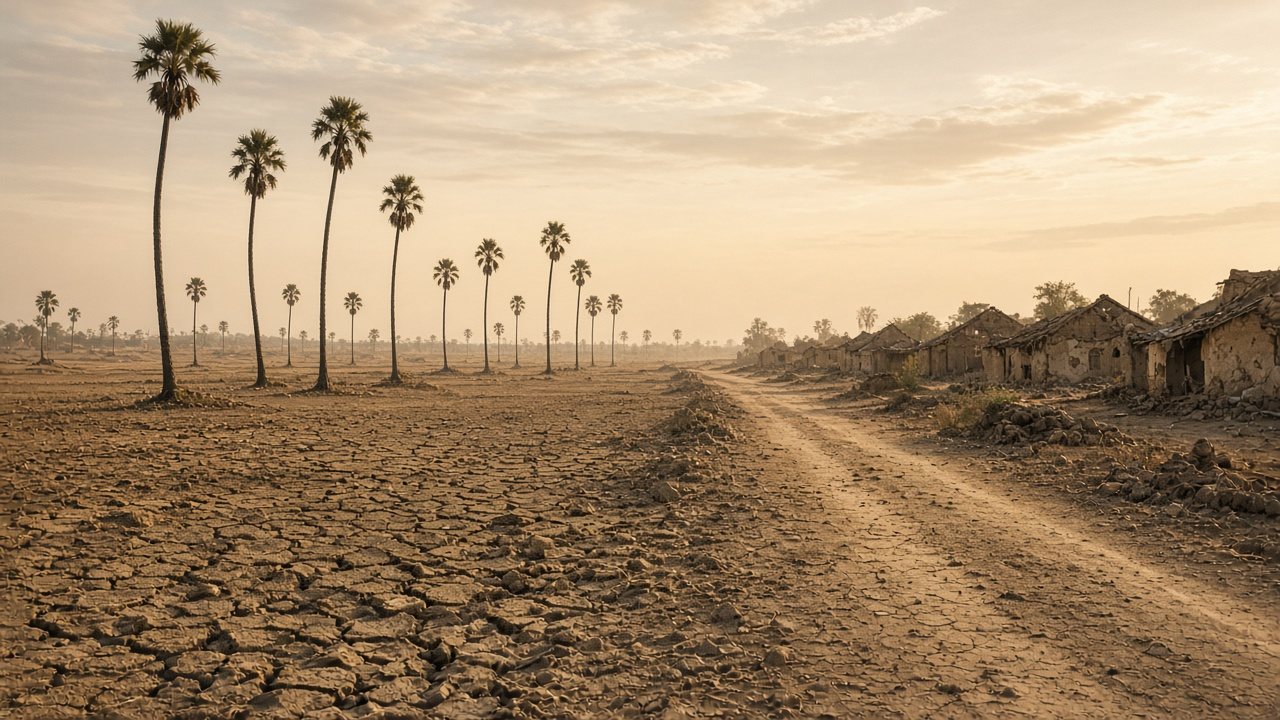
The Great Famine of the 1870s starved this countryside. Plague would follow.
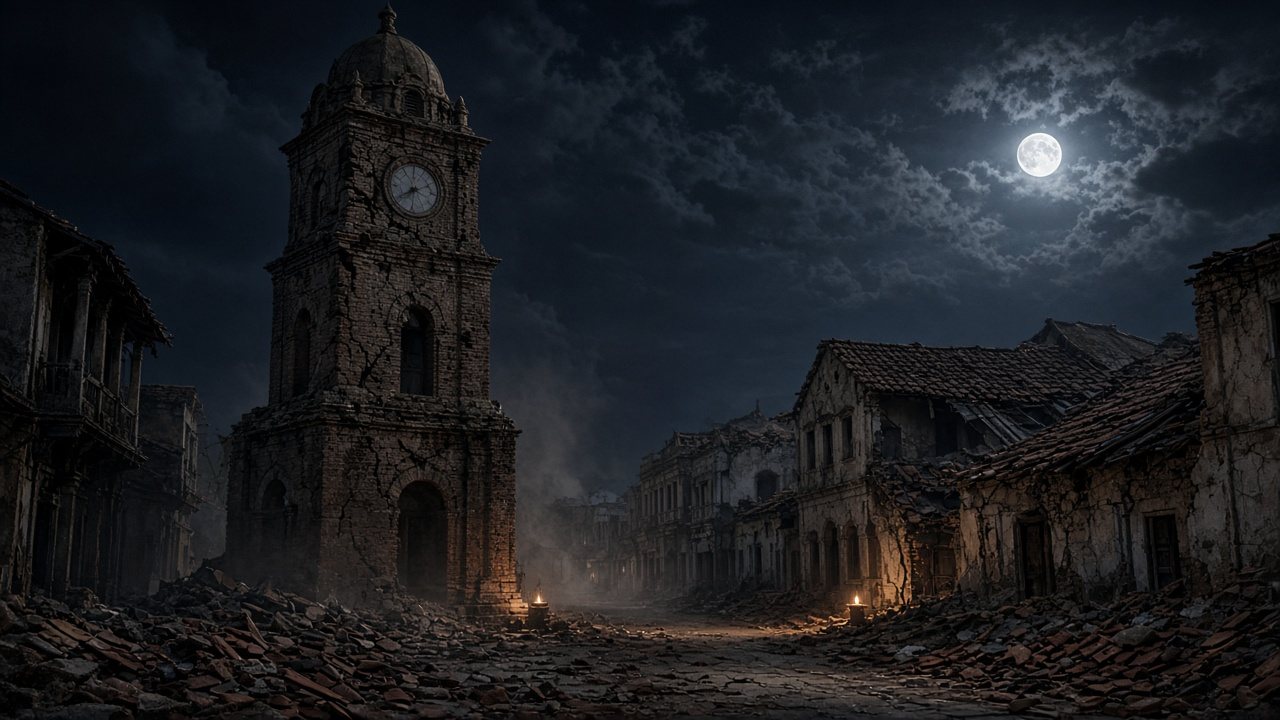
And on the eighth of February 1900, an earthquake of about magnitude six shook the town, damaging the jail, a chapel and the clock tower. Yet even then, something new was being built.
Film time 6:26
The Manchester of South India
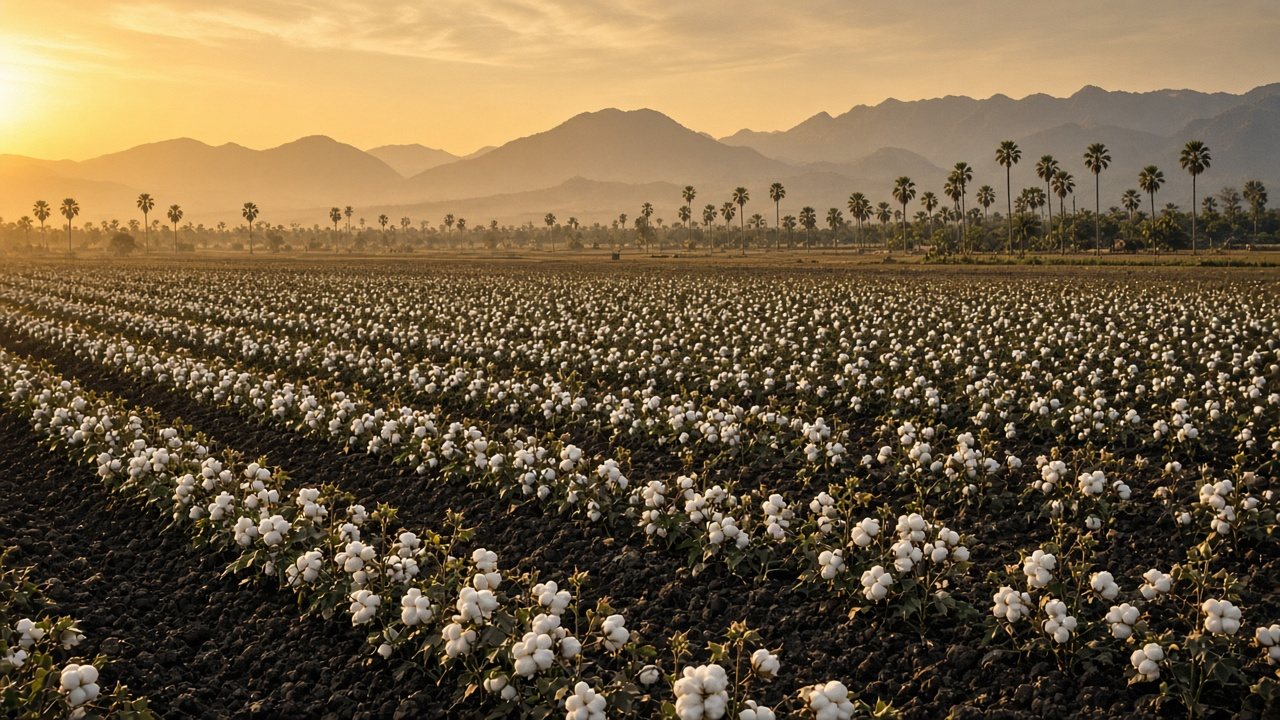
It began with black cotton soil and a shrewd eye for industry.
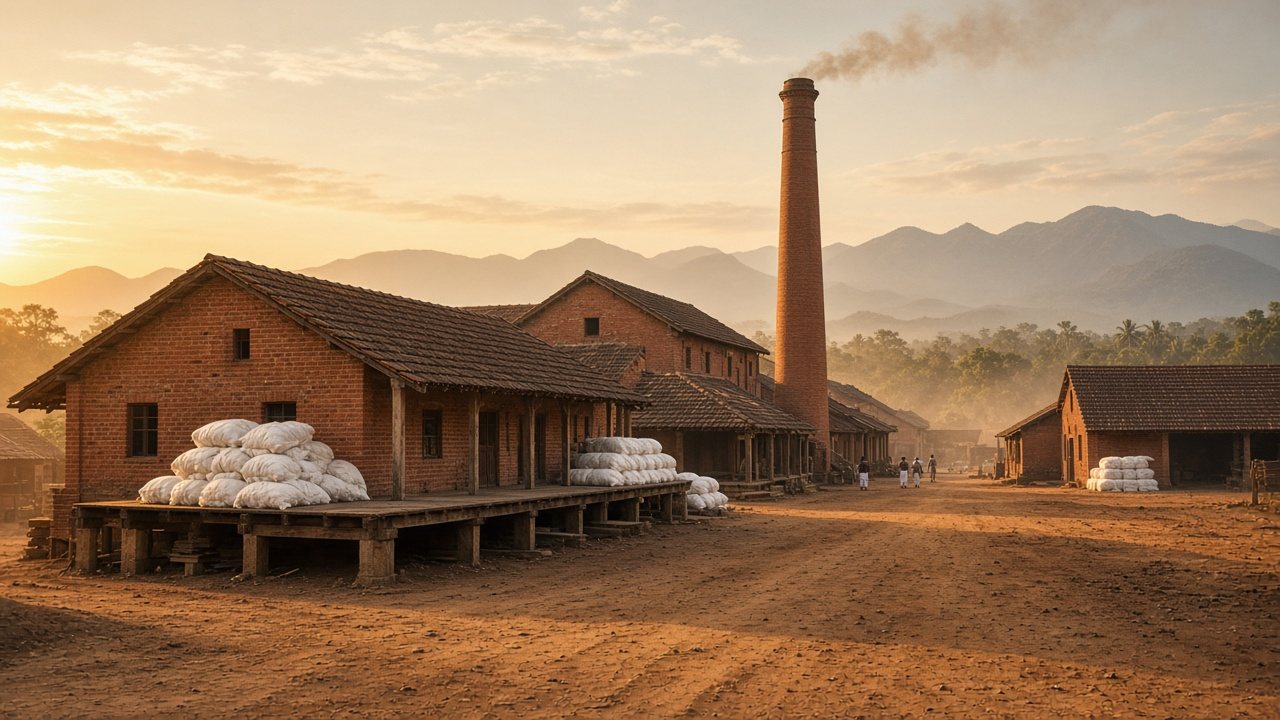
In 1888, Sir Robert Stanes opened the Coimbatore Spinning and Weaving Mills at Sukrawarpet, the first modern mill in the town.
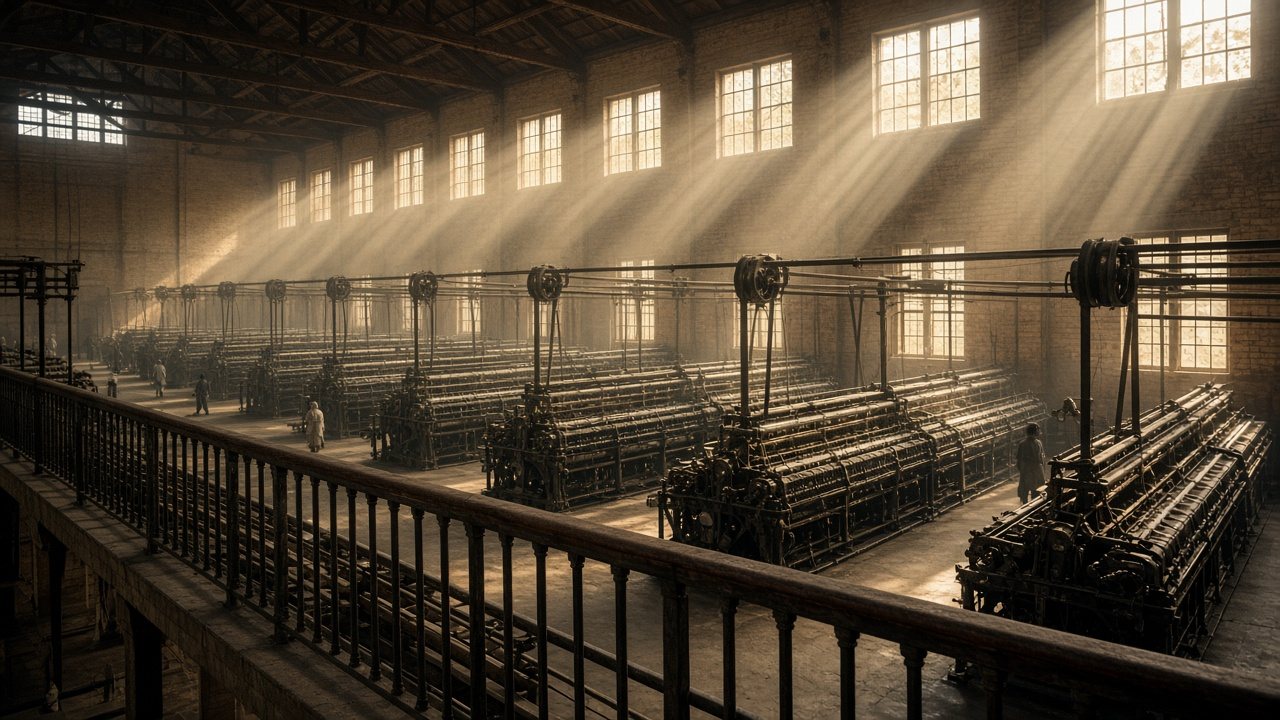
Indian families soon followed: the Chettiars, the PSG brothers, G. Kuppuswamy Naidu's Lakshmi Mills, Cambodia Mills, Pankaja Mills, and many more.
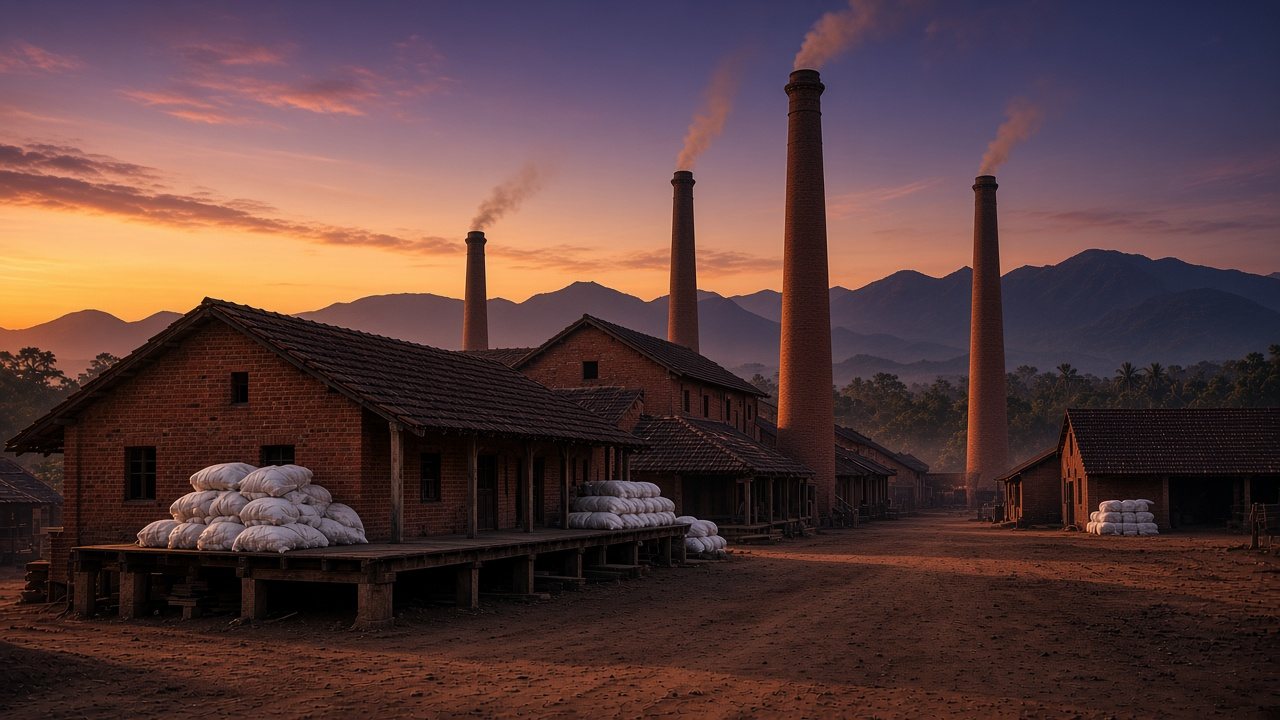
By the 1930s the skyline was a forest of chimneys, and more than twenty mills were spinning yarn by the hundred thousand spindle. Cloth left for markets across India and as far as Ceylon. In 1936 a newspaper could already call this place the Manchester of South India, a name that has never quite left it. The farmers who had grown Cambodia cotton on hundreds of thousands of acres had become mill owners, and a weaving city was born.
Film time 7:10
Power, Motors and Pump City
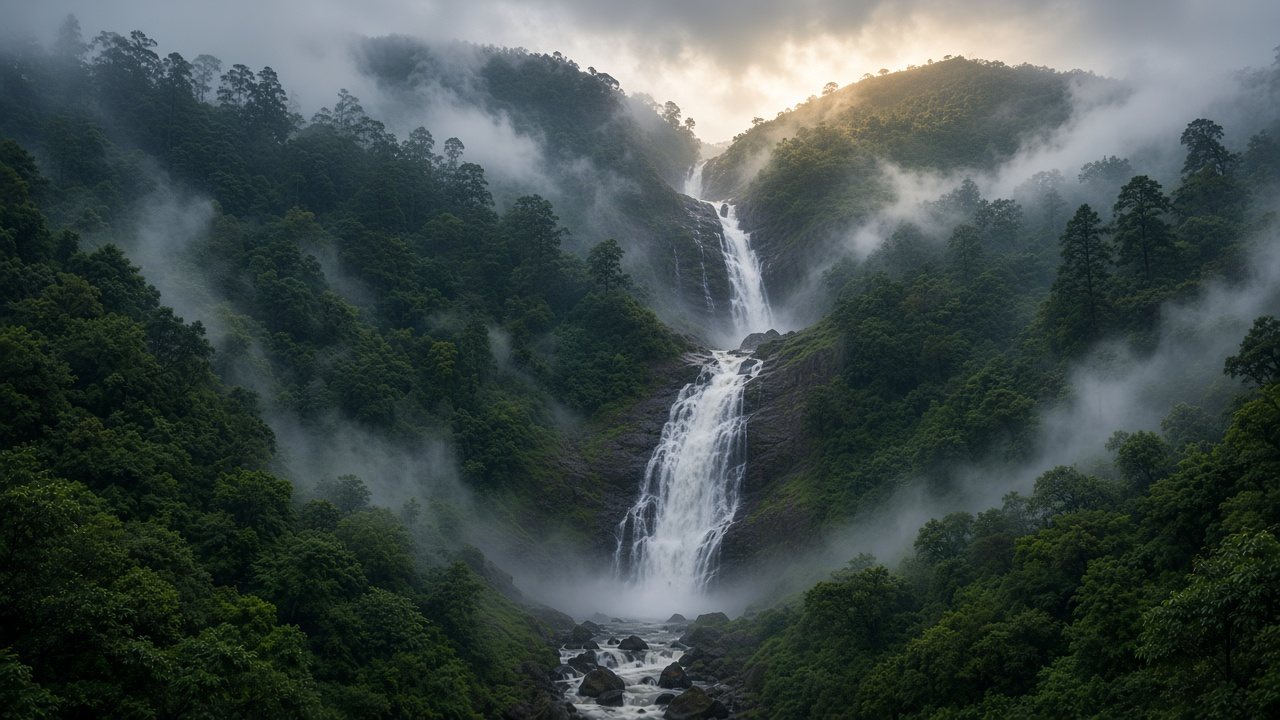
What the soil began, electricity finished. In October 1932, the first unit of the Pykara hydroelectric station in the Nilgiris came to life, and cheap power flowed down to the mills.
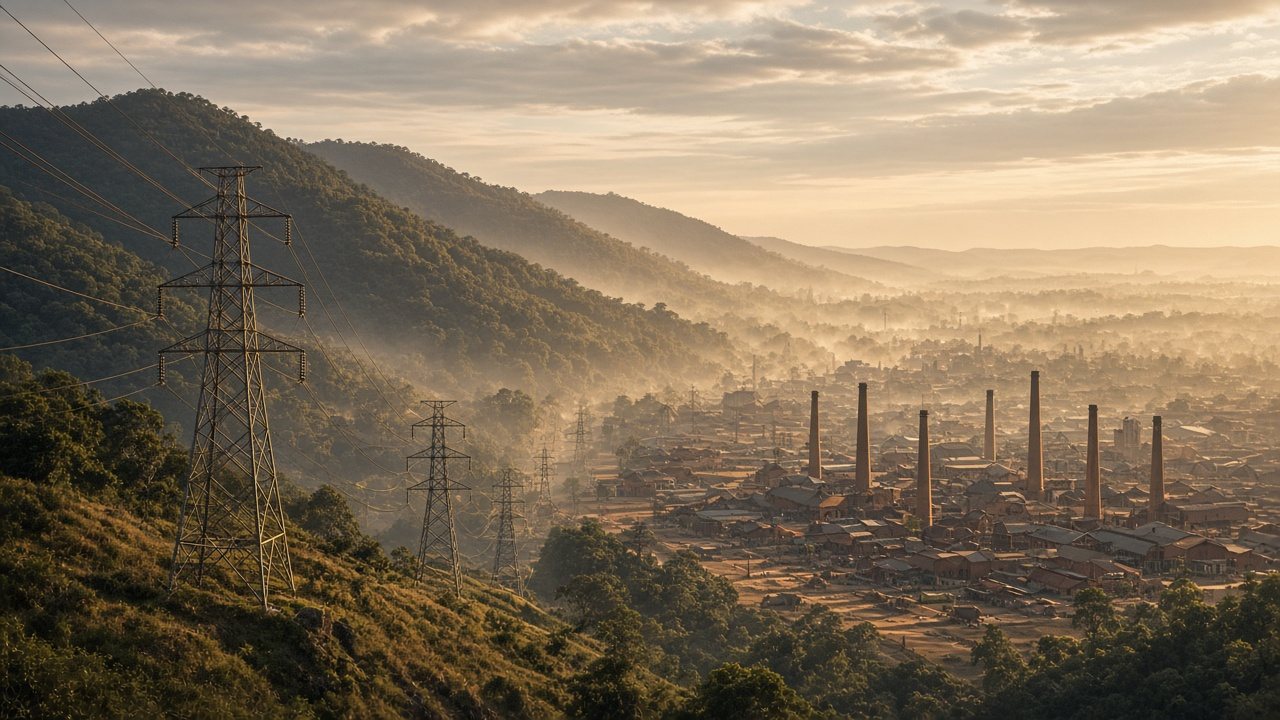
Workshops that had repaired ginning machines and ploughs began to make their own engines.
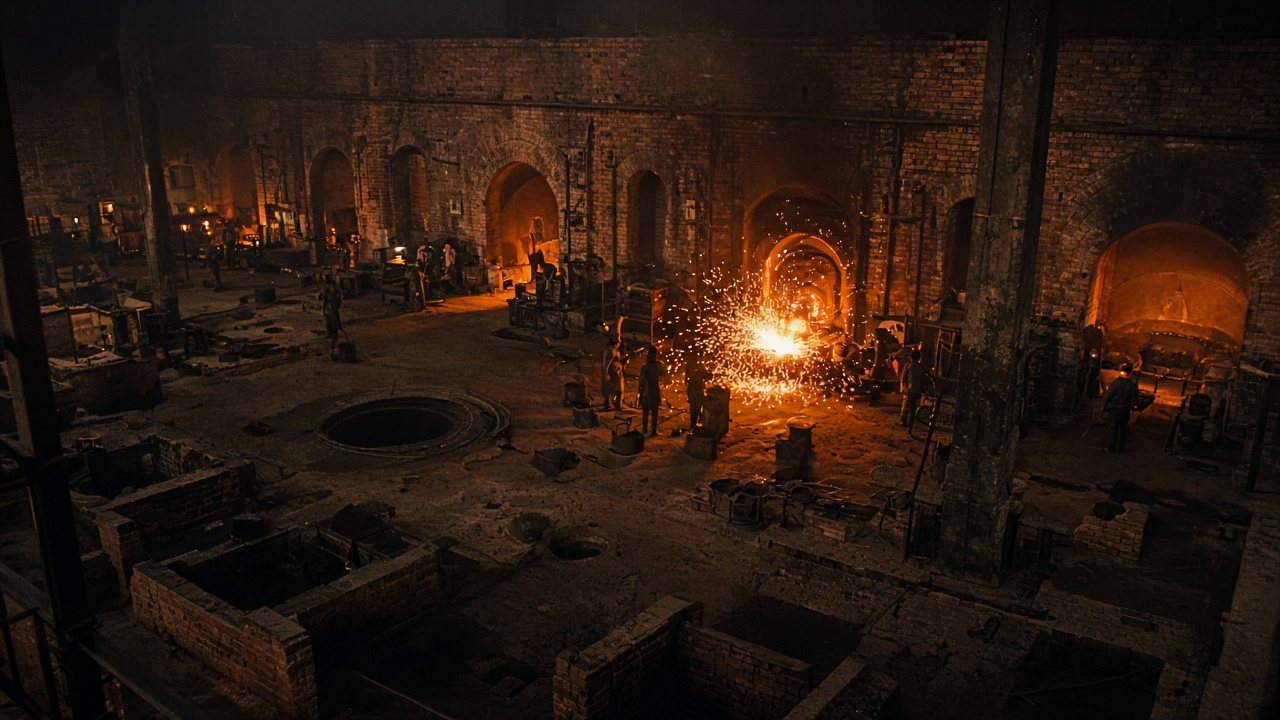
G. D. Naidu, often called the Edison of India, is credited with rolling out a commercial electric motor from his works at Peelamedu in 1937. Foundries spread through neighbourhoods that still smell of iron and oil.
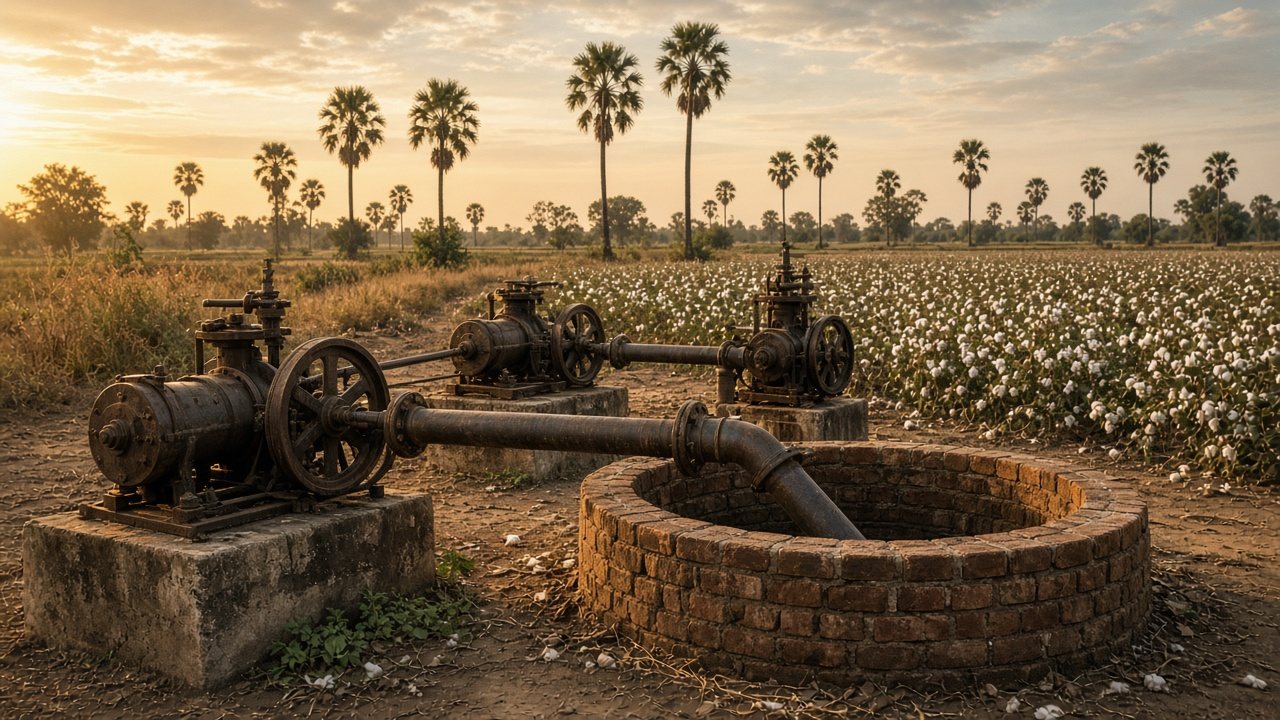
Motor pumps lifted water from thousands of irrigation wells, and small workshops learned to build what they had once only repaired. In time Coimbatore would be called Pump City, and its wet grinders would carry a geographical indication of their own. From yarn to machines, the city had learned to invent what it needed.
Film time 7:57
Siruvani Water
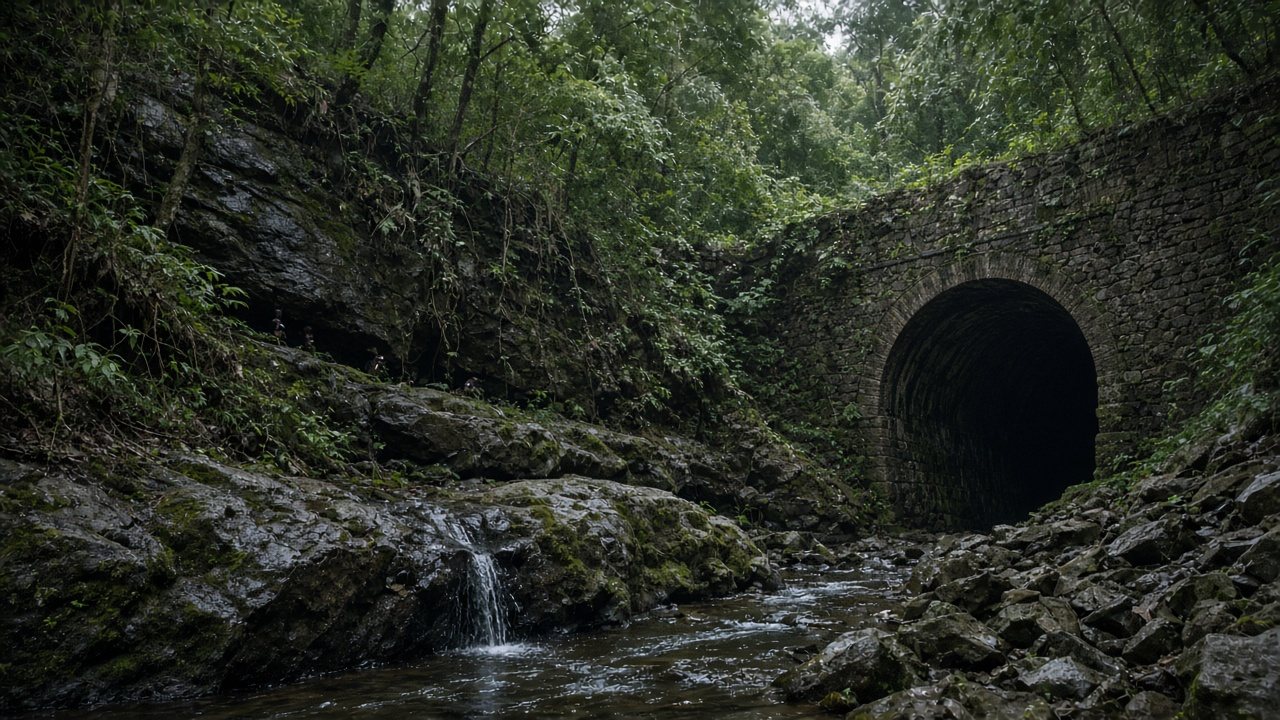
A city of mills still needs water. For decades Coimbatore suffered want, even as a river of extraordinary purity fell through the forests of the Velliangiri hills, only a short distance to the west.
In 1889 the public man S. P. Narasimhalu Naidu walked those leech ridden slopes and proposed bringing the water of Muthikulam and Siruvani to the town. Funds failed, and later schemes failed too. It was municipal chairman C. S. Rathinasabapathy Mudaliar who finally drove the works through. Late in April 1929, Siruvani water reached the city.
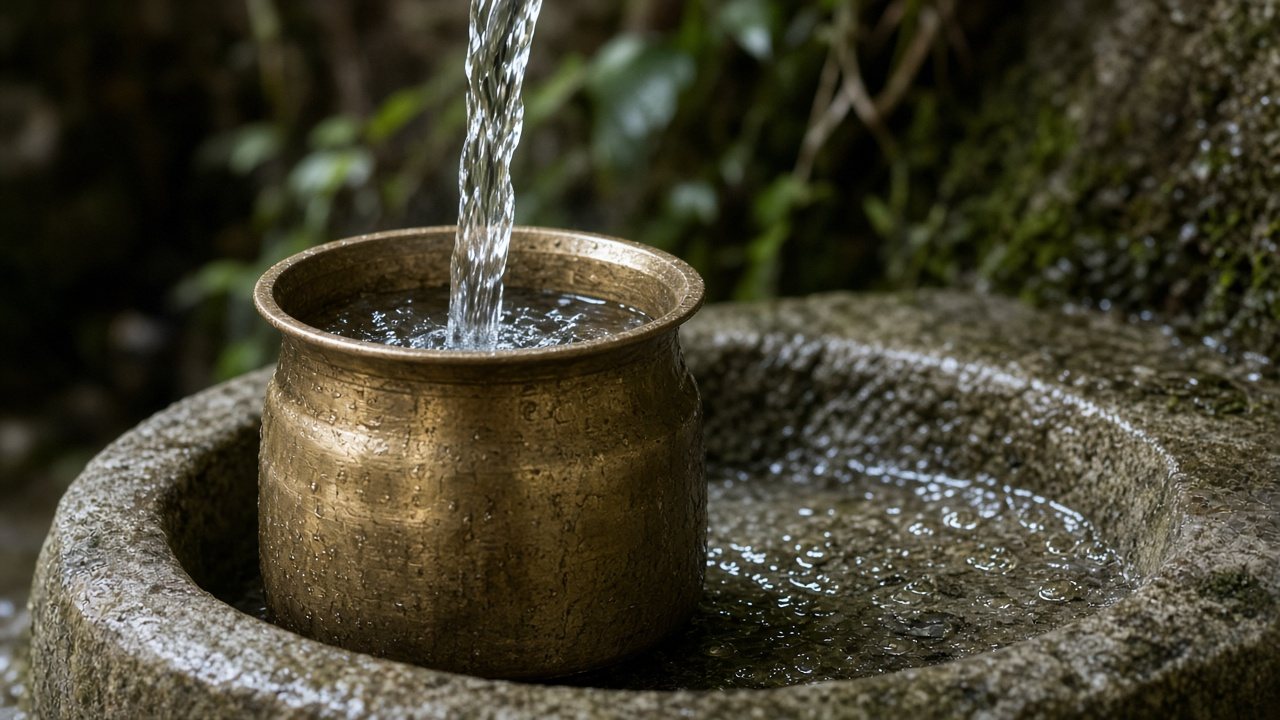
People are said to have laid flowers at the taps and drunk as if at a shrine. The sweetness, mineral, clean, almost untouched by human habitation, became part of Kovai's pride, and it still is.
Film time 8:44
Colleges, Code and Adiyogi
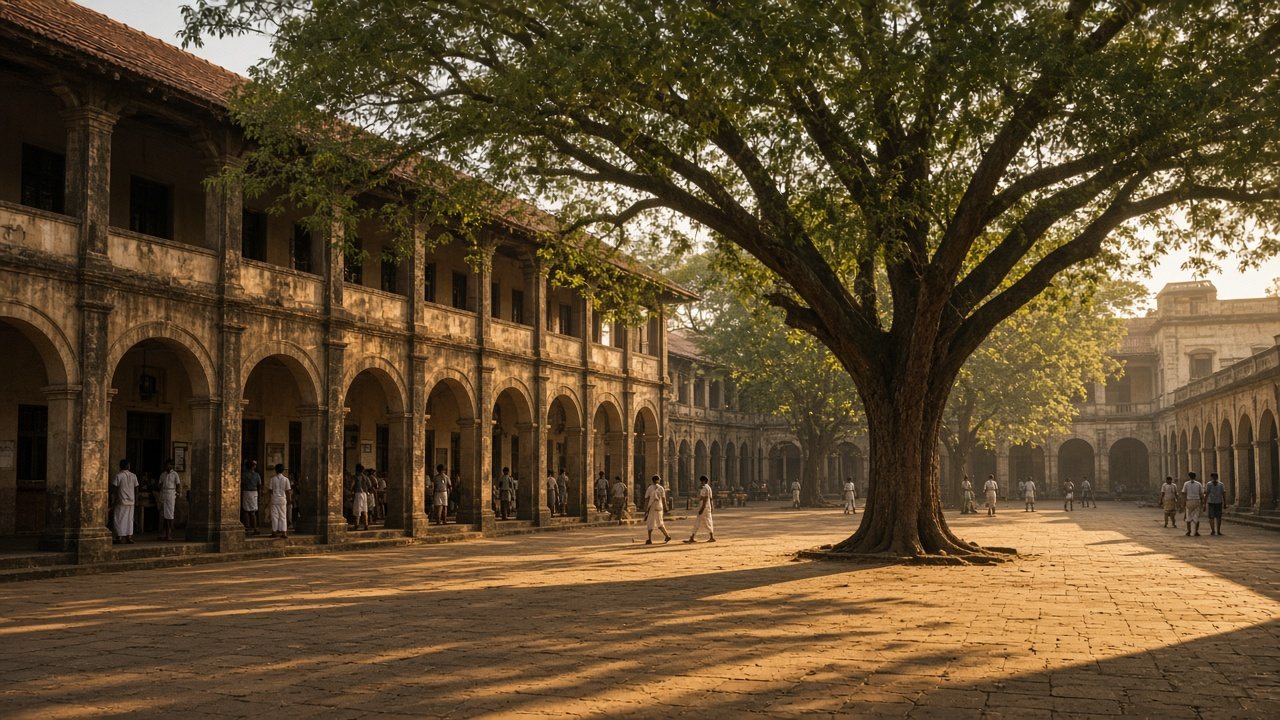
Learning grew with the workshops. Colleges spread across the city, and Tamil Nadu Agricultural University made Coimbatore a centre for the science of the soil that first made it rich.
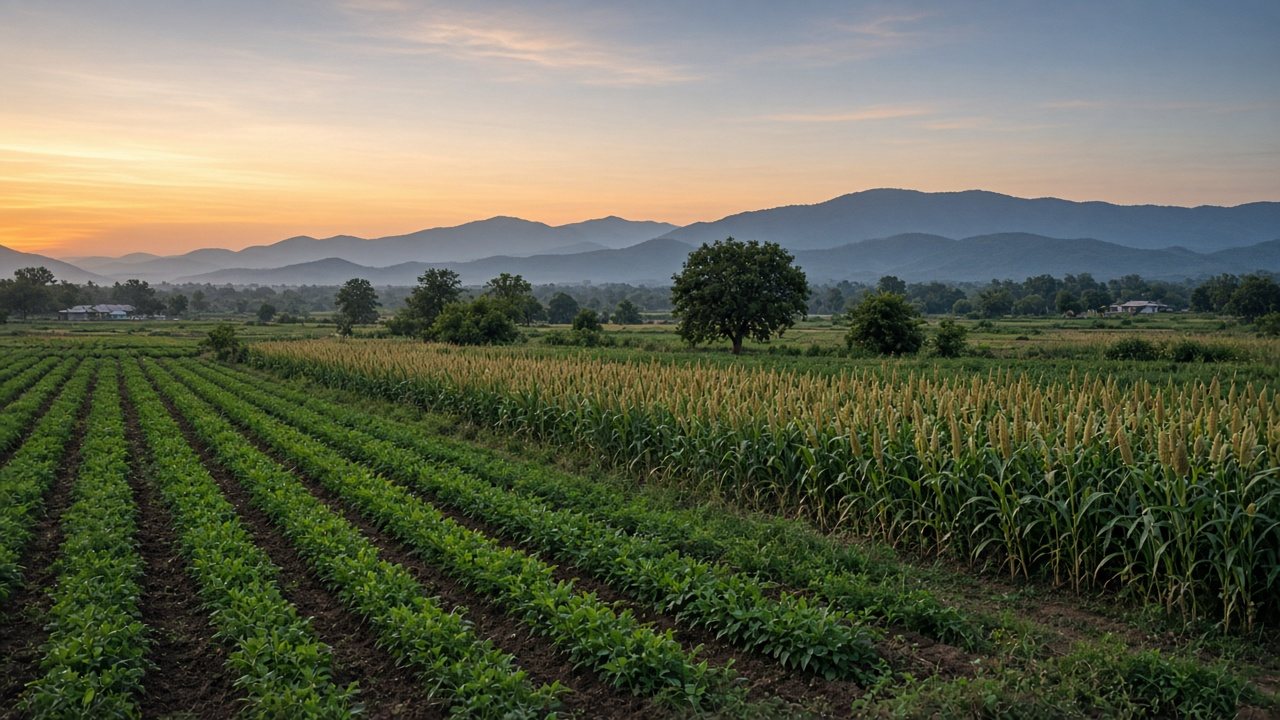
PSG College of Technology opened in 1951, training engineers for the very factories around it. After independence the mills were joined by software parks and research labs.
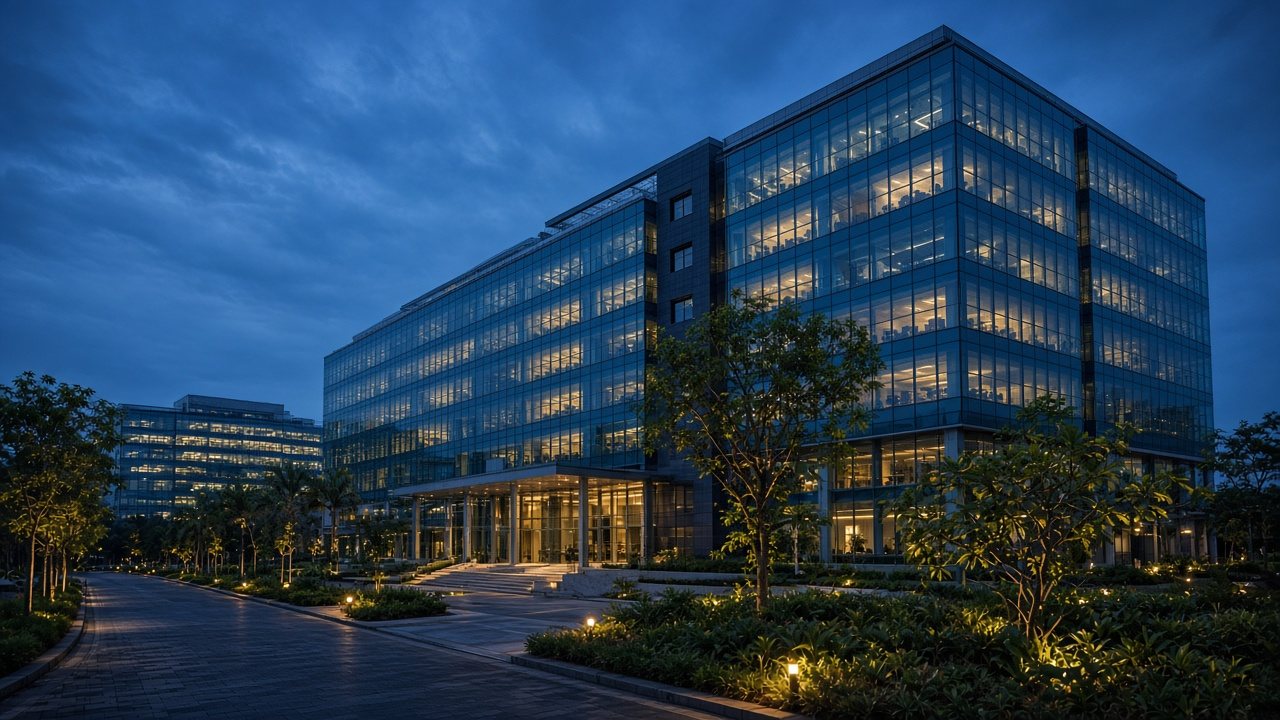
Along the Avinashi road and at places like TIDEL Park, young people now write code where cotton carts once passed.
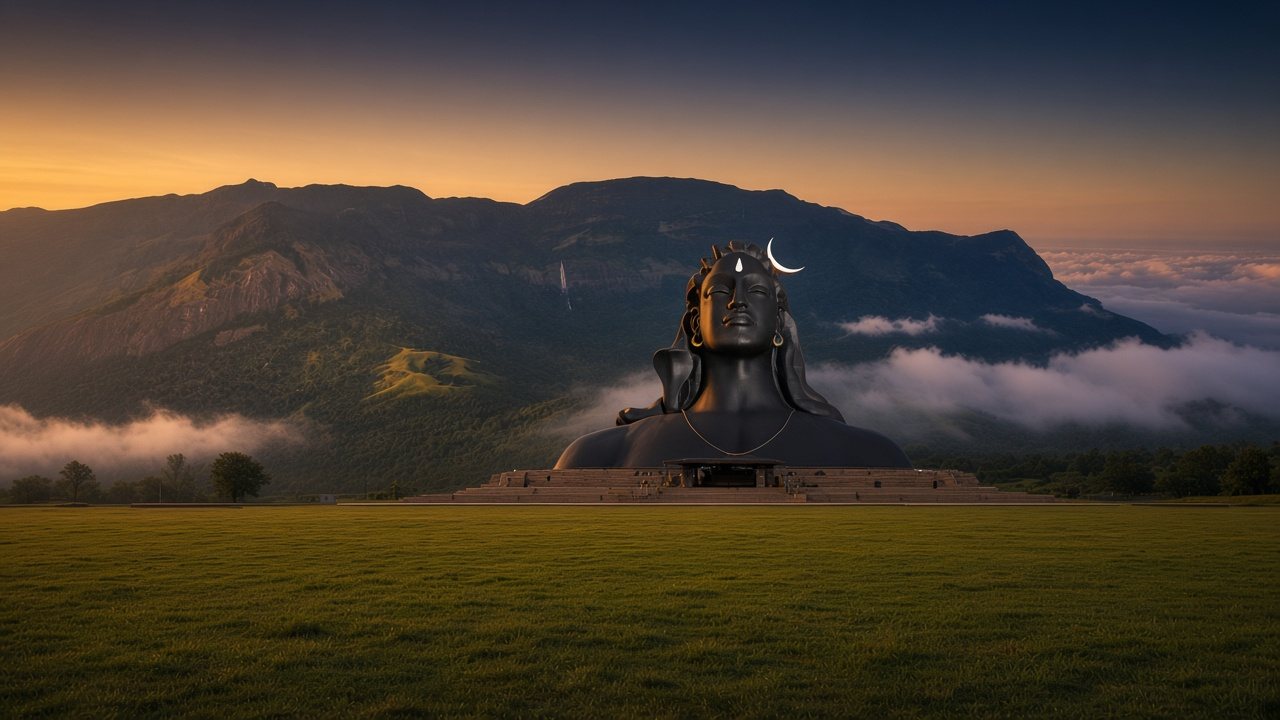
And in 2017, at the Isha Yoga Centre under the Velliangiri hills, a vast one hundred and twelve foot bust of Adiyogi, the first yogi, was unveiled, a new landmark as unmistakable on the skyline as any mill chimney or temple tower. The old pass still draws the world, only the travellers have changed.
Film time 9:29
Kitchen and Culture
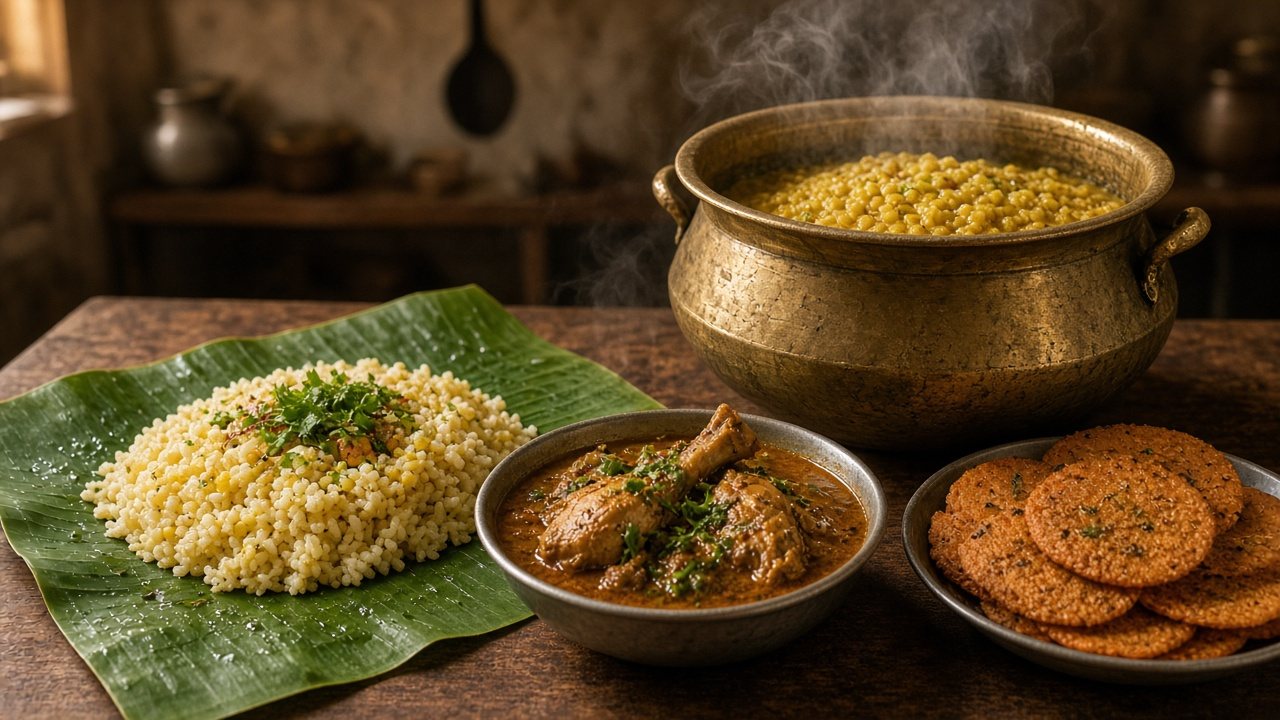
But a city is also a kitchen. Kongu cooking is sturdy and fragrant: millet and rice, coconut and sesame oil, cracked pepper and fresh turmeric. There is arisi paruppu sadam, rice and lentils simmered together and finished with ghee. There is country chicken in a pepper rich kuzhambu, thattu vadai with evening tea, and banana leaf meals that need no apology to any other cuisine in India. Tamil is the language of the street, spoken in the Kongu accent that marks a person as home.
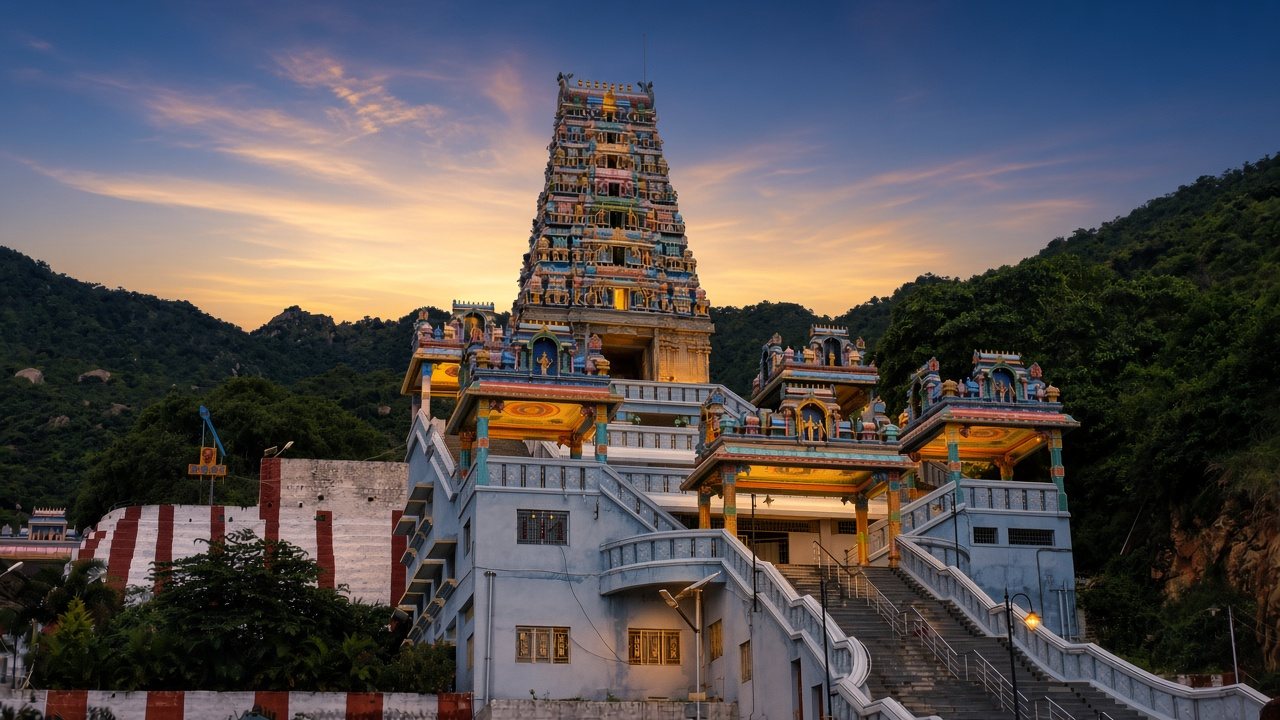
Festivals fill Perur and the hill temple of Murugan at Marudhamalai.
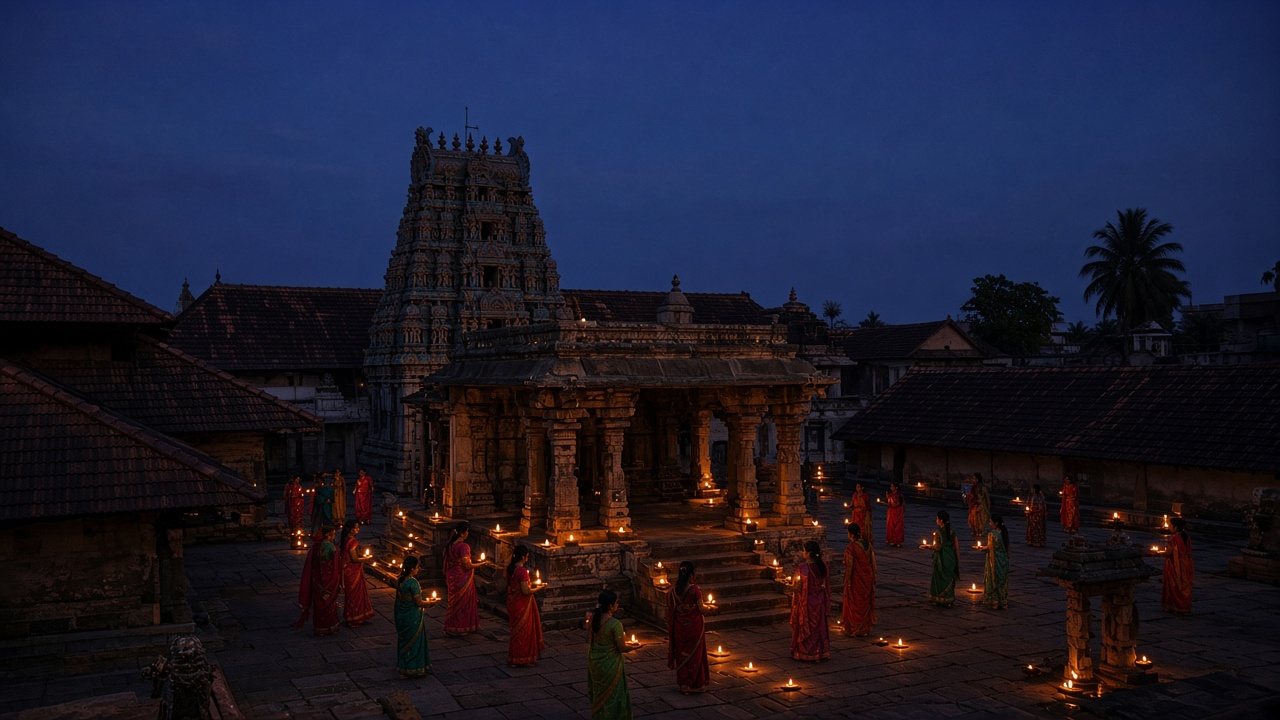
The goddess Koniamman still has her days of processions and lamps.
This is a proud, practical culture, as distinctive as the water it drinks.
Film time 10:12
A Story Still Being Woven
Stand once more at dusk on a Western Ghats ridge. The pass opens like a gate.

Lights come on in the plains, in temples and in towers of glass.
The Noyyal still runs, though thinner than the poets knew. Cotton still grows. Yarn still turns.
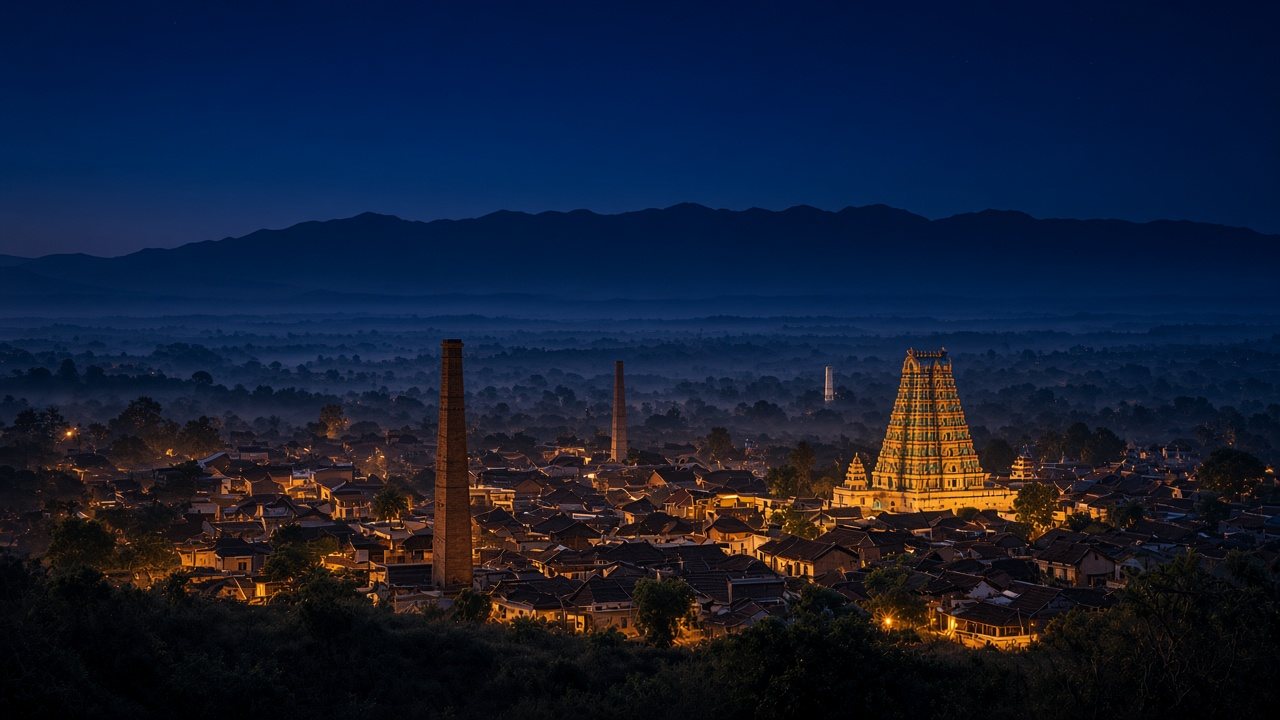
And a city of more than two million people keeps doing what it has always done: taking whatever arrives through the gap, and making something useful, and beautiful, from it. The shepherd paths became trade roads. The trade roads became mill gates.
The mill gates became college doors and glowing office windows. From Roman beads to motor pumps, from a mud shrine to a loom, from a pot of sweet water to a skyline of hills and mills, this is Coimbatore. This is Kovai. And its story is still being woven.